Storage units are useful when your home, office, or business does not have enough space for everything you need to keep. However, storing items is only half the challenge. The bigger problem often comes later when you need to find something.
Without a proper inventory system, boxes can become difficult to identify, similar items may get mixed together, and finding one specific belonging can mean opening several containers. A smarter tracking method can make your storage unit easier to manage and save valuable time.
Why Storage Unit Inventory Becomes Difficult
A storage unit may start out organized, but things can quickly become harder to manage. You may add new boxes, move containers around, or temporarily remove items and put them back in different locations.
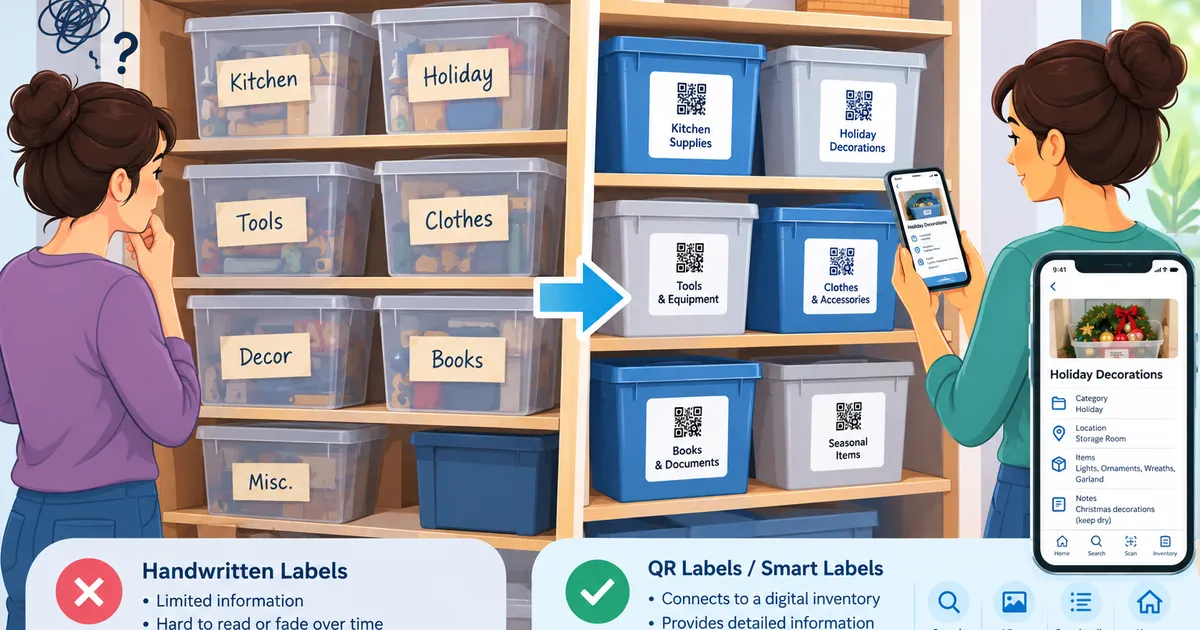
Traditional handwritten labels can also provide limited information. A label might say “Kitchen” or “Clothes,” but it may not tell you exactly what is inside the box. When you have dozens of containers, remembering the contents of each one becomes difficult.
This is where a structured inventory system can make a difference.
Create a Detailed Inventory Before Storing Items
The first step toward better storage management is knowing exactly what you have. Create a list of the items you are placing into storage and organize them into useful categories.
For example, you can separate belongings into seasonal decorations, clothing, documents, household equipment, furniture, tools, and other categories.
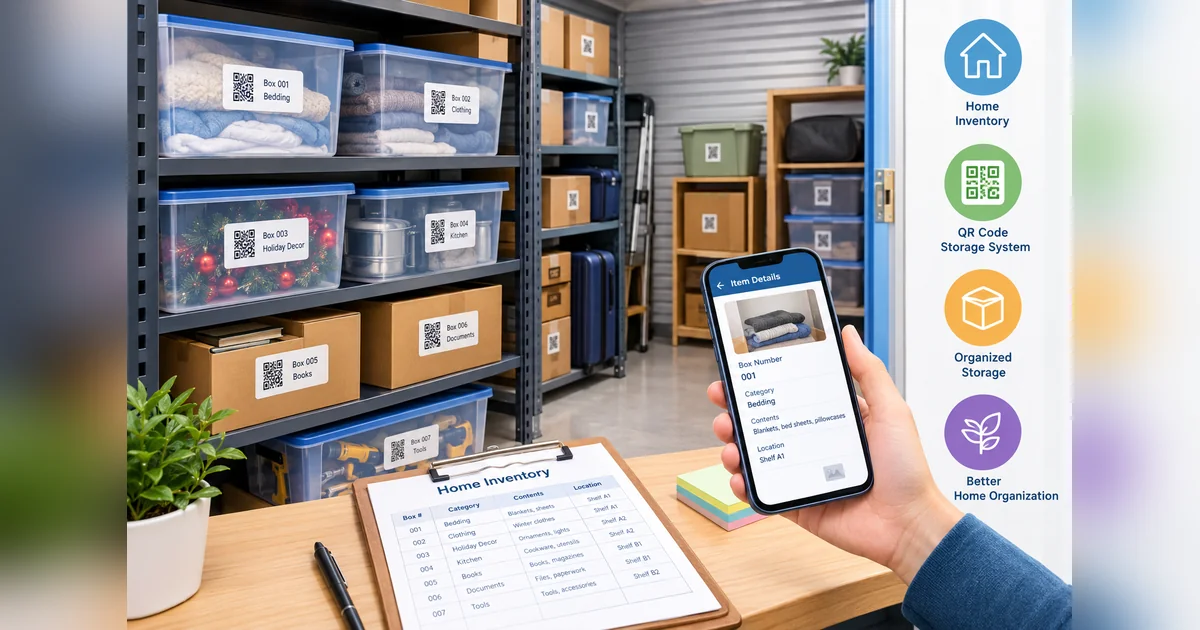
A detailed home inventory can help you maintain a record of stored belongings even when those items are no longer inside your home. Instead of relying entirely on memory, you have a reference you can update whenever something enters or leaves the storage unit.
Include useful details such as the box number, category, general contents, and storage location. If possible, take photos of important items or box contents as an additional reference.
Use Consistent Labels for Every Box
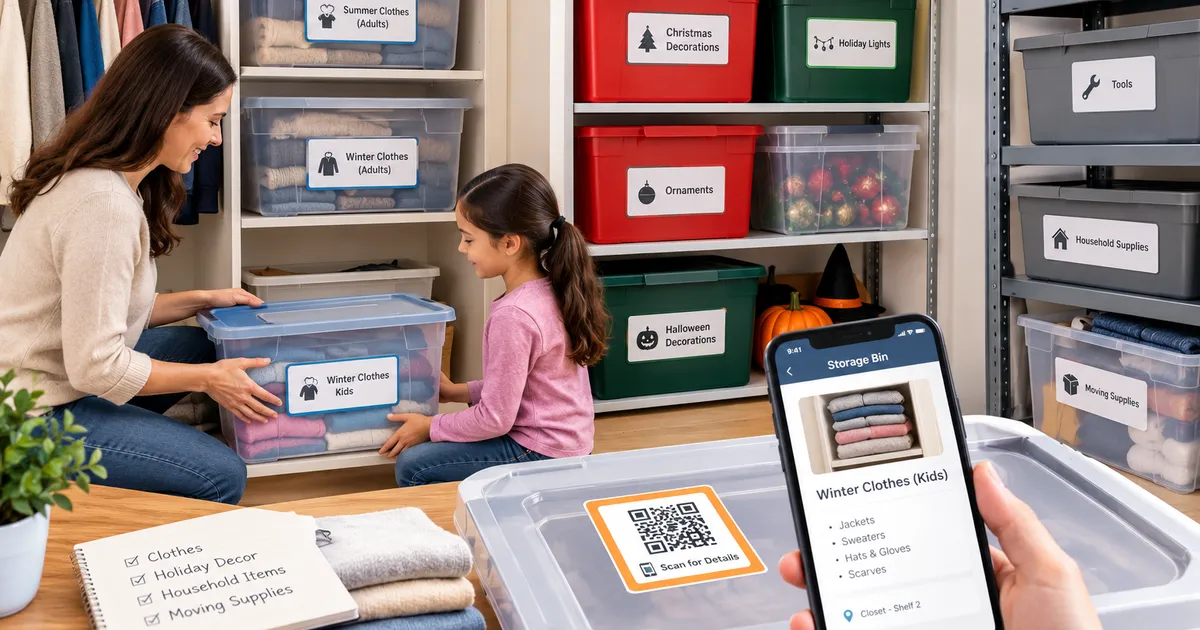
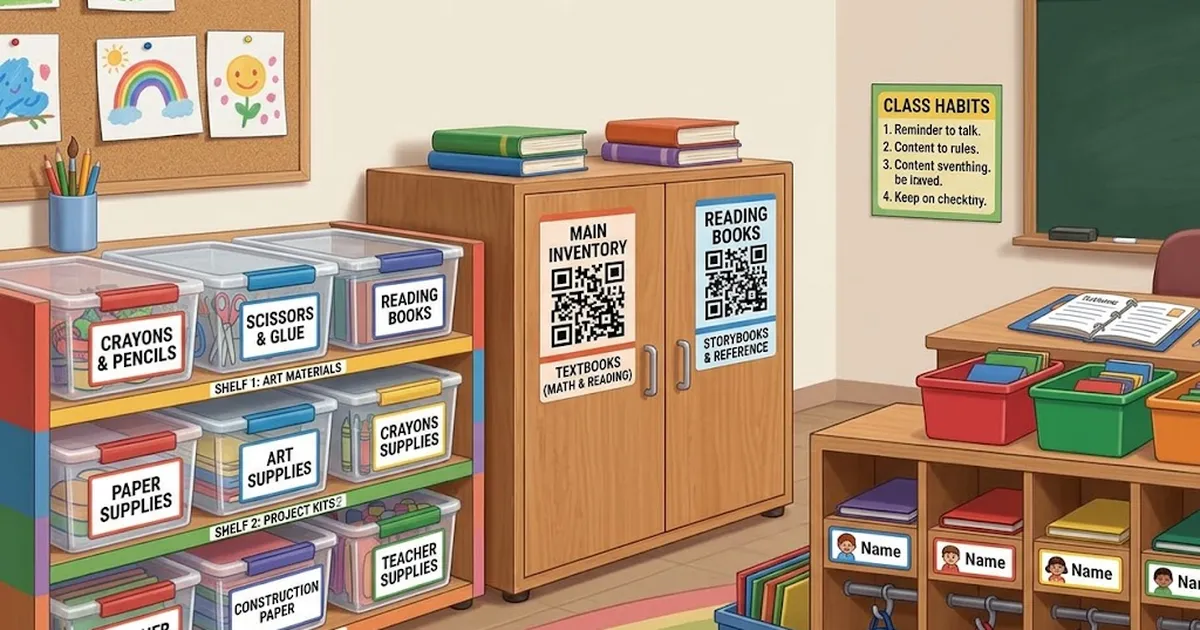
Good labeling is essential for storage organization. Give every box or container a unique identification number rather than relying only on general descriptions.
For example, instead of labeling a container simply “Holiday Items,” you could use a system such as “Box 014 – Holiday Decorations.” Your inventory list can then connect that box number with its contents.
Keep the labeling style consistent across the entire storage unit. This makes it easier to locate specific containers and reduces confusion when you add more items later.
Make Storage Smarter With QR Codes
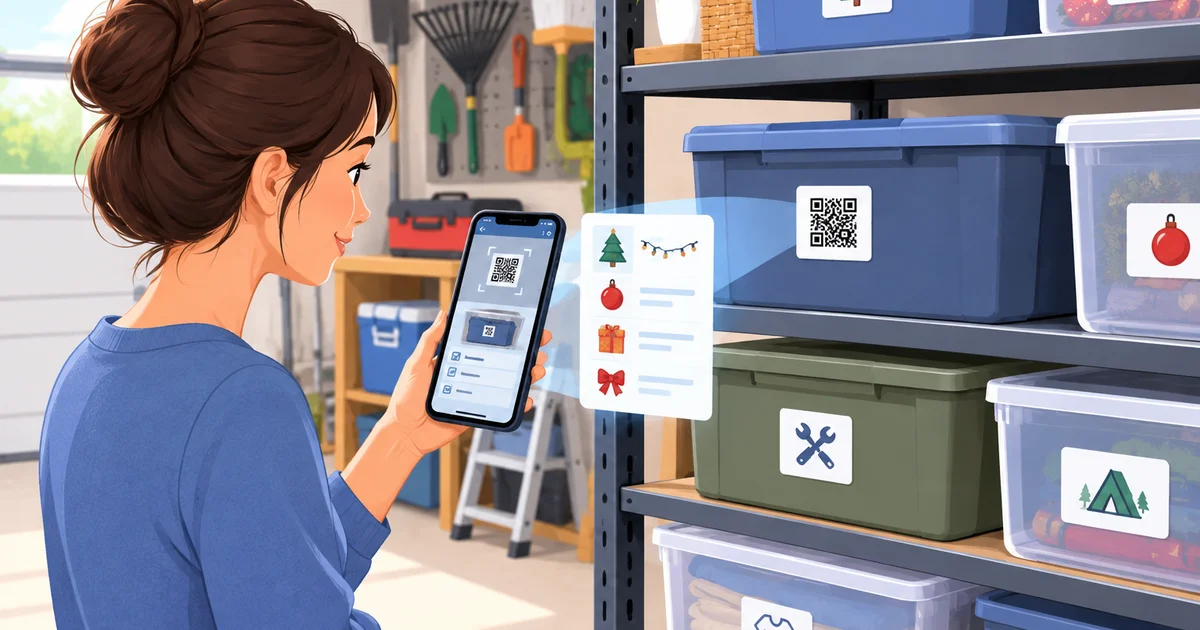
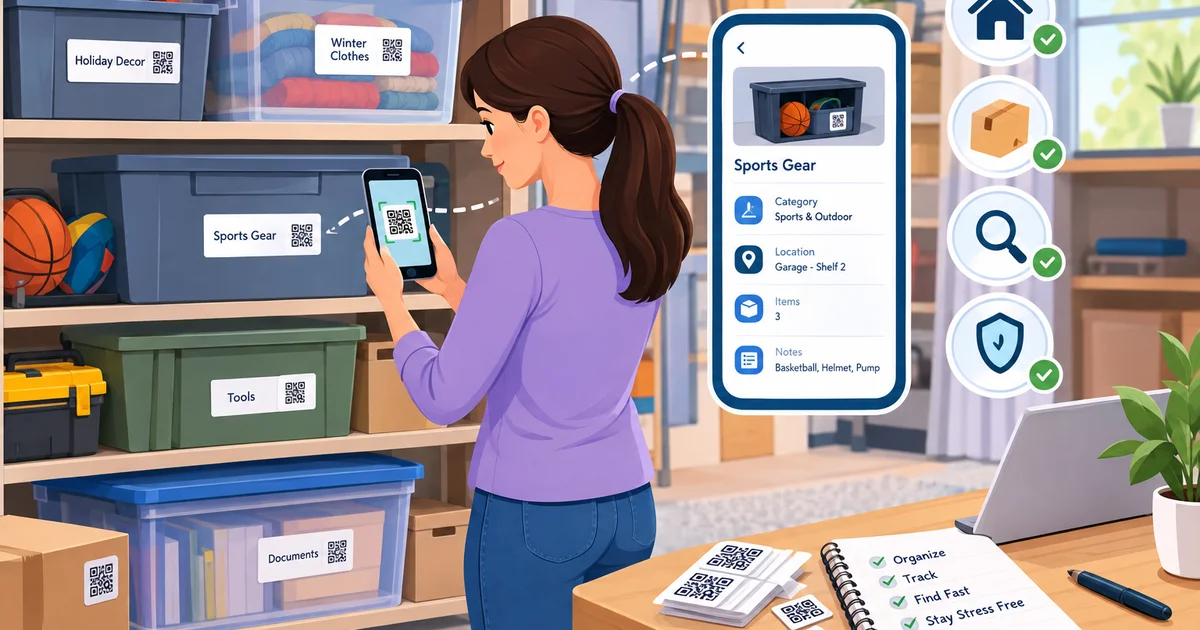
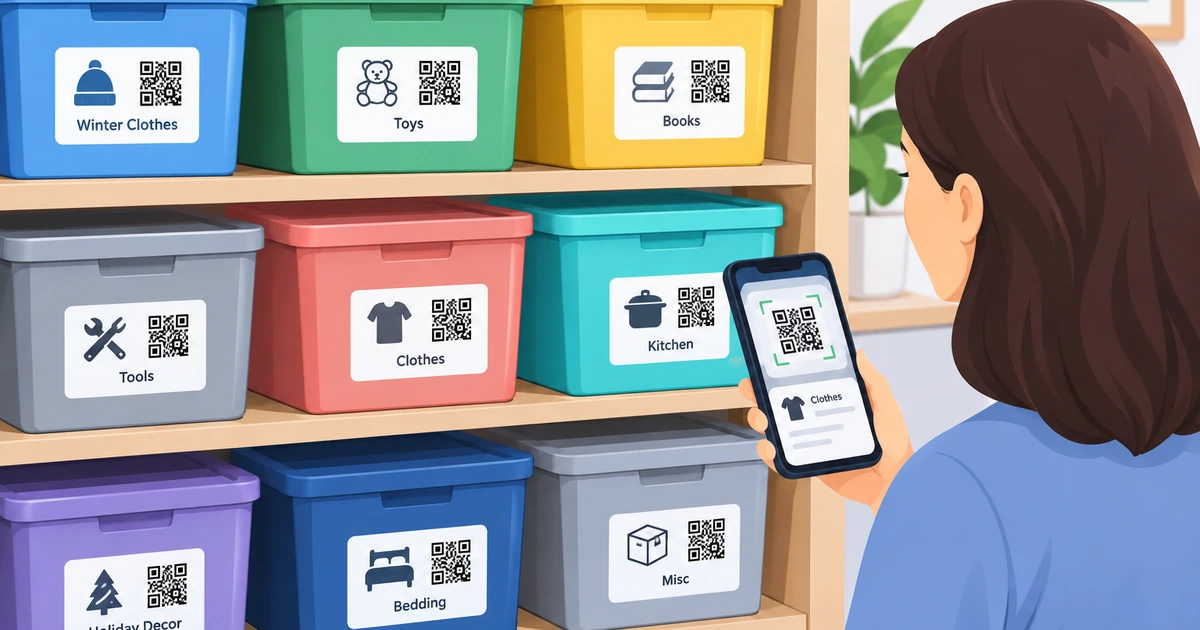
Technology can make inventory management even easier. A qr code storage system allows you to connect a physical container with digital information.
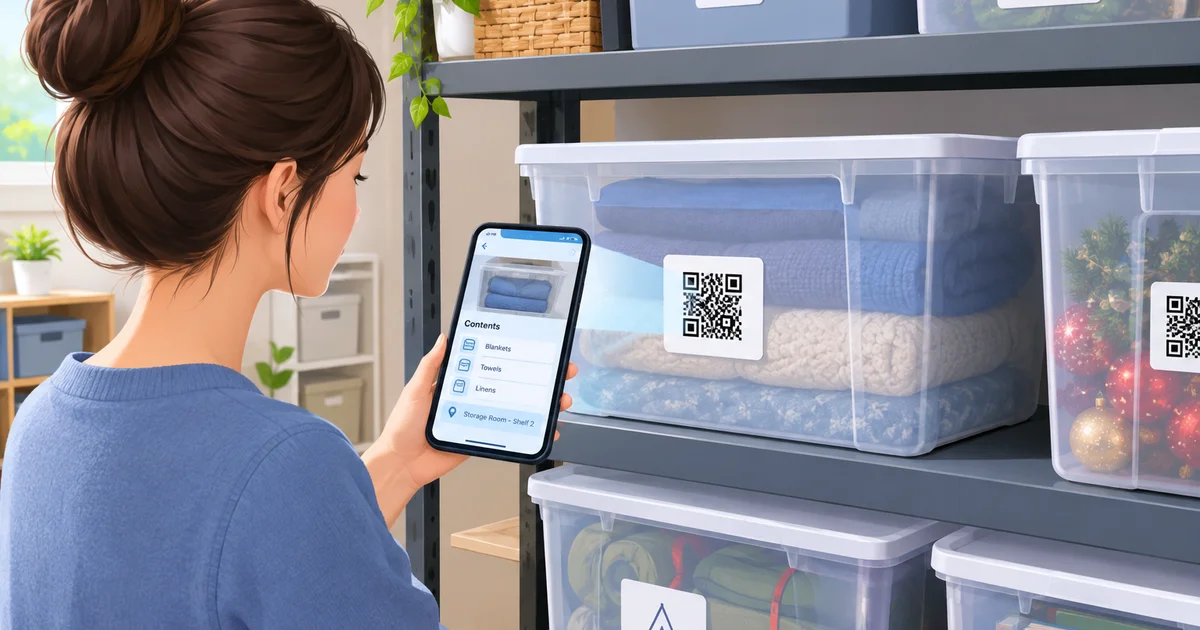
A QR label can be placed on a box, bin, shelf, or other storage container. When you scan the code with a compatible device, you can access the information associated with that container instead of relying only on a handwritten description.
For example, a storage box could contain winter clothing, shoes, and accessories. Rather than writing every item on the outside, the QR code can provide access to a more detailed inventory record.
This approach is particularly useful when you have many containers with similar appearances.
Organize Your Storage Unit by Zones
Inventory tracking works better when your physical storage space is organized as well. Divide the storage unit into simple zones based on categories.
You could create separate areas for seasonal items, household belongings, business supplies, documents, or furniture. Keep frequently accessed items closer to the entrance whenever possible.
Assigning locations to your containers makes your inventory more useful. Instead of searching the entire unit, you can first check the inventory to determine which section contains the item.
Keep Your Digital Inventory Updated
An inventory is only helpful when it remains accurate. Whenever you remove, add, replace, or move an item, update your records.
This is especially important for storage units that are accessed frequently. If your inventory says an item is in Box 10 but you moved it to another container, the system can become confusing.
Make inventory updates part of your regular storage routine. A few minutes spent updating records can prevent much longer searches later.
Take Photos to Improve Visibility
Photos can provide another useful layer of information. Before closing a storage container, consider taking a picture of its contents.
You can connect the photo with the relevant box number or digital inventory record. When you need something later, you can review the image before visiting the storage unit.
This is particularly helpful for boxes containing many small or similar objects. A photograph can give you a quick visual reference without requiring you to open multiple containers.
How Better Inventory Supports Home Organization
Storage units are often an extension of your living space. When items leave your home but remain difficult to track, clutter can simply move from one location to another.
Better Home Organization means knowing what you own, where it is stored, and how to access it when needed. A well-maintained storage inventory supports this process by giving every stored item a clear place and record.
When you know exactly what is already in storage, you may also avoid purchasing duplicate items simply because you cannot remember where your existing belongings are.
Make Inventory Management Part of Your Routine
You do not need a complicated process to maintain an organized storage unit. Start with clear categories, unique labels, a reliable inventory list, and consistent locations.
For larger collections, adding QR-based tracking can make the system more convenient. Review your inventory periodically and update it whenever your storage needs change.
The goal is simple: instead of opening box after box, you should be able to identify what you need and where it is stored before you start searching.
Final Thoughts
Managing a storage unit becomes much easier when every container has a purpose, location, and identifiable record. A combination of organized labeling, detailed inventory records, photos, and digital tracking can turn a difficult storage space into a system that is easier to navigate.
Whether you are managing household belongings, seasonal items, or long-term storage, a smarter inventory approach can reduce wasted time and make your stored possessions easier to find. With the right system in place, your storage unit can become an organized extension of your Home Organization strategy rather than a place where belongings disappear from sight and memory.