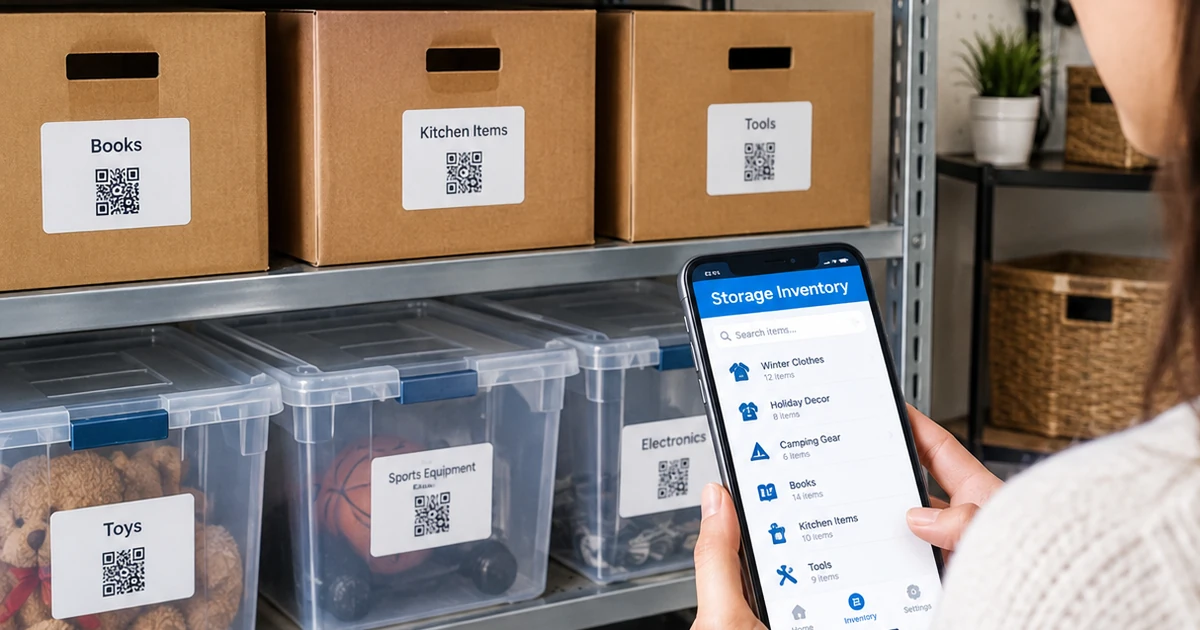
A storage unit can quickly become difficult to manage when dozens of boxes, bins, and containers are packed together. You may remember putting an important item into storage, but finding the right box later can take much longer than expected. Without a clear system, you may end up opening several containers just to locate one item.
A well-organized storage box inventory can solve this problem. Instead of relying on memory or handwritten notes, you can create a structured record of what is stored, where it is located, and which box contains it. With the right inventory system, finding stored belongings becomes faster, easier, and more convenient.
Why Storage Unit Inventory Matters
When items are stored for months or even years, it is easy to forget where everything was placed. Seasonal decorations, clothing, documents, household supplies, tools, and personal belongings can become mixed together.
A storage inventory gives every box and container a clear identity. Rather than searching through the entire unit, you can check your inventory first and determine exactly where to look.
A good storage box inventory can include the box number, category, location, and a list of important items inside. This information creates a simple reference system that helps reduce unnecessary searching.
Start by Organizing Your Storage Boxes
Before creating an inventory, arrange your storage unit into logical sections. Group similar items together instead of placing boxes wherever there is available space.
For example, you could create separate areas for:
- Seasonal decorations
- Clothing and shoes
- Kitchen items
- Books and documents
- Tools and equipment
- Sports gear
- Holiday supplies
- Children’s belongings
Give each box a unique number or identifier. Box 001 could contain winter clothing, while Box 002 could contain holiday decorations. This simple numbering system makes your inventory much easier to maintain.
Create a Detailed Storage Box Inventory
Once your boxes are organized, record what each container contains. You do not necessarily need to list every small item. Focus on important or useful information that will help you locate belongings later.
For example, instead of writing only “Clothes,” a better inventory entry could be:
Box 001 – Winter Clothing
Winter jackets, sweaters, scarves, gloves, and boots.
The more useful information you add, the easier it becomes to identify the correct container without opening multiple boxes.
You can keep your storage box inventory in a spreadsheet, inventory application, or another digital system. Digital records can be particularly useful because they can be searched and updated whenever items are added or removed.
Use Clear Labels on Every Box
An inventory works best when the physical storage area matches your digital records. Label every box clearly with its unique number and category.
Traditional handwritten labels can work for simple storage, but they may become difficult to read, update, or understand when boxes contain multiple categories. A structured labeling system can provide more useful information while keeping the outside of the box easy to identify.
For larger storage units, consider placing labels where they can be easily seen without moving other containers.
Consider QR Codes for Faster Access
Technology can make a storage inventory even more convenient. QR-based labels can connect a physical storage box with digital inventory information.
Instead of searching through a spreadsheet manually, you can scan the QR code attached to a box and access its stored information from your phone, depending on the system being used.
This approach can be especially useful when managing many storage boxes. A QR code can serve as a quick connection between the physical container and its digital record.
For people who frequently move, reorganize, or access stored belongings, smart labels can make maintaining a storage box inventory more efficient.
Organize Your Storage Unit by Location
Box numbers are helpful, but location information can make your inventory even more useful. Divide the storage unit into sections such as A, B, C, and D.
For example:
A-01: Winter clothing
A-02: Bedding
B-01: Holiday decorations
B-02: Kitchen equipment
Now your inventory tells you both what you are looking for and where to find it.
You can also arrange frequently accessed boxes near the entrance while placing rarely used belongings farther inside. This reduces the amount of moving required when you need something.
Keep Your Inventory Updated
Creating an inventory once is not enough. Storage units change over time as items are added, removed, donated, sold, or moved.
Whenever you remove something from a box, update the inventory. If you move an entire box to another section, change its location in your records.
An outdated inventory can be almost as frustrating as having no inventory at all. Make updating the system part of your normal storage routine.
Make Searching Easier With Digital Inventory
A digital inventory provides an important advantage: searchability. Instead of walking through your storage unit and checking every label, you can search for a specific item in your records.
For example, if you need a camping tent, searching your inventory could show the relevant box and location. You can then go directly to that section instead of opening multiple containers.
This is particularly valuable for large storage units containing dozens or hundreds of boxes.
Build a Storage System That Grows With You
Your storage needs may change over time. A good inventory system should be flexible enough to accommodate new boxes, changing locations, and different categories.
Use consistent box numbers, clear categories, searchable records, and easy-to-update labels. If your belongings are spread across multiple storage areas, include a location field in your inventory so you can identify which unit or section contains each item.
The goal is not simply to have a list of boxes. The goal is to create a system that helps you find stored items faster.
Final Thoughts
A smarter storage box inventory can turn a crowded storage unit into an organized and searchable space. By numbering boxes, using clear labels, recording important contents, organizing locations, and keeping digital records updated, you can significantly reduce the time spent searching for belongings.
For an even more convenient approach, QR-based smart labels can connect physical boxes with digital inventory information. With the right combination of organization and technology, your storage unit can become easier to manage—and finding the item you need can take minutes instead of hours.