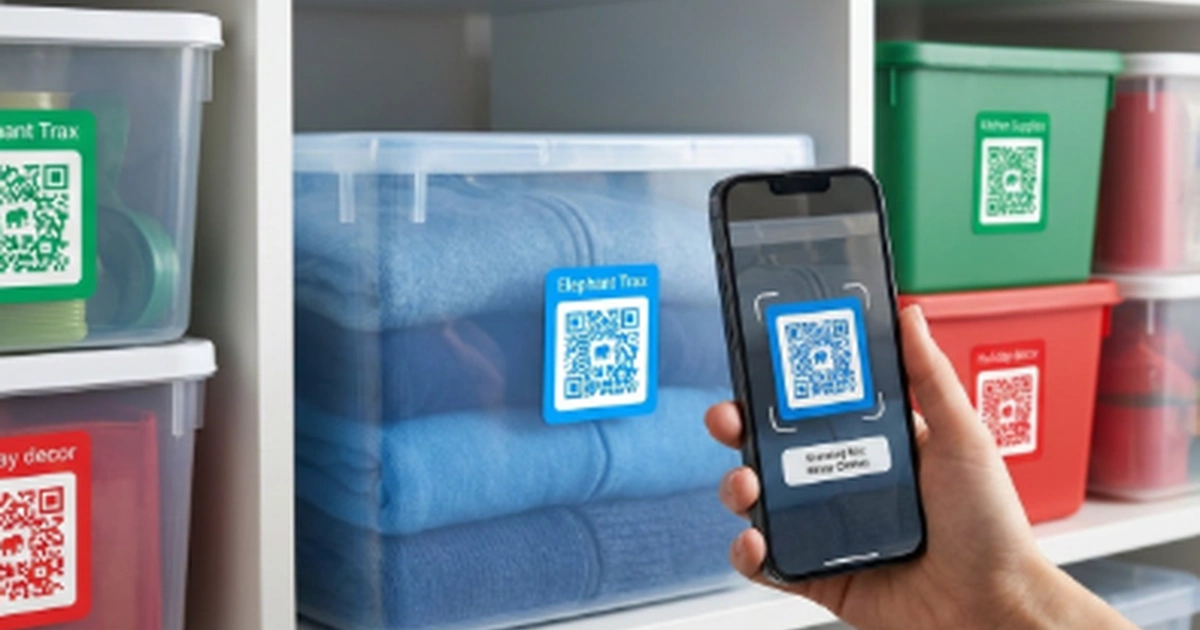
Keeping your home organized can be challenging when storage boxes, seasonal decorations, clothing, and household supplies begin to accumulate. Traditional labels can help, but handwritten descriptions may fade, become difficult to read, or fail to provide enough information about the contents of each container. A smarter approach combines color-coded organization with QR technology to make finding stored items easier and faster.
Using QR color code labels allows you to create a practical storage system that combines visual identification with digital inventory tracking. Whether you are organizing a bedroom closet, kitchen cabinet, garage, or storage unit, this method can help you manage belongings more efficiently.
1. Organize Storage Boxes by Color
One of the easiest ways to improve home organization is to assign different colors to specific categories of belongings. For example, blue labels can represent clothing, green labels can identify kitchen supplies, and yellow labels can mark holiday decorations. You can choose a color system that matches your household’s needs.
With QR colored code labels, you can quickly identify the general category of a box without reading a long description. This is particularly helpful when several storage containers look alike or are stacked in a closet or garage.
For the best results, use the same color categories throughout your home. When everyone in the household follows the same system, family members can recognize where different items belong and return them to their proper places.
2. Use QR Code Stickers for Digital Inventory
Color coding helps you recognize storage categories, but digital inventory can provide more detailed information. This is where qr code stickers can make a difference.
Depending on the QR labeling system you use, scanning a code with a smartphone can open a digital inventory or record associated with a storage container. You can record information such as the box contents, storage location, category, and date of packing.
For example, a container labeled “Winter Clothing” might include coats, scarves, gloves, and sweaters. Instead of opening the box to check what is inside, you can scan its QR code and review the saved information.
This approach is especially useful when organizing multiple boxes before moving, storing belongings for several months, or keeping track of household items that are not used regularly.
3. Create a Seasonal Storage System
Seasonal belongings can take up considerable space when they are not in use. Holiday decorations, winter clothing, summer accessories, and outdoor equipment often remain packed away for months.
A color-coded QR system makes seasonal storage easier to manage. Assign separate colors to different seasons or occasions. For instance, red can identify holiday decorations, blue can represent winter accessories, and green can mark summer outdoor equipment.
Attach QR labels to the appropriate containers and record their contents in a digital inventory. When the season changes, you can identify the boxes you need without searching through every container.
You can also record whether fragile decorations require careful handling or whether a box should remain in a particular storage area. Keeping these details accessible can make seasonal transitions more convenient.
4. Improve Closet and Cabinet Organization
Closets and cabinets can become cluttered when items are stored in bins, baskets, and containers without a consistent labeling system. Accessories, spare linens, cleaning supplies, and household essentials may become difficult to locate.
Using QR labels for storage helps you establish a clear identification system for these spaces. Assign colors to different categories and place labels where they are easy to see.
For example, use one color for bedding, another for personal accessories, and a third for cleaning products. The QR codes can provide additional details about the contents of each labeled container.
For cabinets containing frequently used supplies, make sure labels are positioned where they can be scanned without removing every item. Consistent placement and readable labels make the system easier to maintain.
5. Make Moving and Unpacking More Efficient
Moving to a new home involves packing numerous boxes and remembering where everything belongs. Without a reliable labeling system, unpacking can become stressful and time-consuming.
QR color code labels offer a simple way to organize moving boxes before transportation. Assign a color to each destination room, such as blue for the bedroom, green for the kitchen, and orange for the living room.
Next, use QR codes to record the specific contents of each box. A kitchen box, for example, might contain cooking utensils, plates, or small appliances. This information can help you identify the right container when you need a particular item.
During unpacking, room-based colors also help movers place boxes in the correct locations. This reduces unnecessary handling and makes it easier to prioritize essential belongings.
6. Keep Your Garage and Storage Unit Organized
Garages and storage units often contain tools, sports equipment, seasonal supplies, spare furniture, and other belongings that are not needed every day. Because these items may remain stored for long periods, it is easy to forget where they are located.
Create categories for your stored belongings and assign each category a consistent label color. Then record box contents and locations using a digital inventory system.
For example, one container might hold gardening equipment while another contains camping supplies. Adding clear descriptions to the corresponding QR records helps you identify what you need before moving heavy containers.
For larger storage spaces, consider recording shelf numbers or storage zones in your inventory. This additional detail can make locating belongings even more straightforward.
7. Choose a Labeling System That Fits Your Needs
A successful storage system should be simple to use and easy to maintain. Before labeling every container, decide which categories matter most and establish a consistent color scheme.
Choose durable labels suitable for the surfaces and environments where they will be used. If containers are exposed to moisture, dust, or frequent handling, check that the label material is appropriate for those conditions.
Test your QR codes after applying them and ensure that the linked information is accurate. Update digital records whenever you move items between boxes or change their storage locations. Avoid including sensitive personal information in publicly accessible QR records.
Make Storage Smarter With QR Color Code Labels
Organizing your belongings does not have to involve complicated spreadsheets or opening every box to find a single item. Combining color identification with digital inventory information creates a practical system for managing household storage.
For people looking for a more convenient way to organize boxes, closets, seasonal belongings, and moving supplies, Elephant Trax offers QR labeling solutions designed to support smarter storage and inventory tracking. By combining qr code stickers, qr colored code labels, and qr labels for storage, you can build a more organized home where belongings are easier to identify, locate, and manage.
Leave a Reply