Author: Emma Alice

  • Smart Storage Ideas Using QR Color Code Labels

    Smart Storage Ideas Using QR Color Code Labels

    Keeping your home organized can be challenging when storage boxes, seasonal decorations, clothing, and household supplies begin to accumulate. Traditional labels can help, but handwritten descriptions may fade, become difficult to read, or fail to provide enough information about the contents of each container. A smarter approach combines color-coded organization with QR technology to make finding stored items easier and faster.

    Using QR color code labels allows you to create a practical storage system that combines visual identification with digital inventory tracking. Whether you are organizing a bedroom closet, kitchen cabinet, garage, or storage unit, this method can help you manage belongings more efficiently.

    1. Organize Storage Boxes by Color

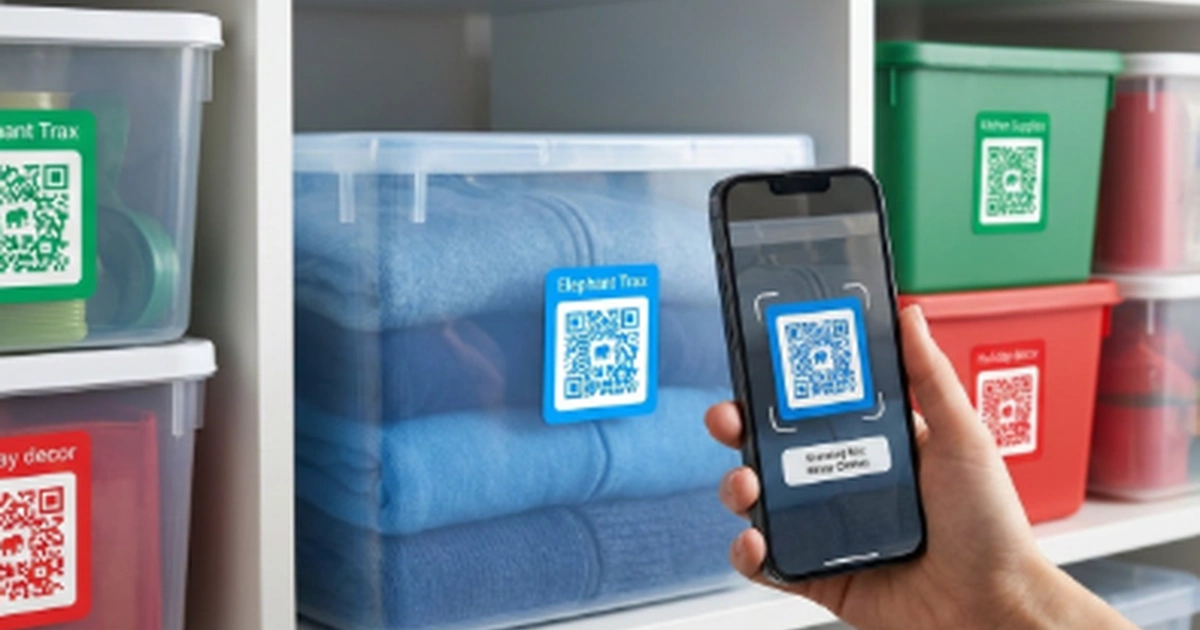
    One of the easiest ways to improve home organization is to assign different colors to specific categories of belongings. For example, blue labels can represent clothing, green labels can identify kitchen supplies, and yellow labels can mark holiday decorations. You can choose a color system that matches your household’s needs.

    With QR colored code labels, you can quickly identify the general category of a box without reading a long description. This is particularly helpful when several storage containers look alike or are stacked in a closet or garage.

    For the best results, use the same color categories throughout your home. When everyone in the household follows the same system, family members can recognize where different items belong and return them to their proper places.

    2. Use QR Code Stickers for Digital Inventory

    Color coding helps you recognize storage categories, but digital inventory can provide more detailed information. This is where qr code stickers can make a difference.

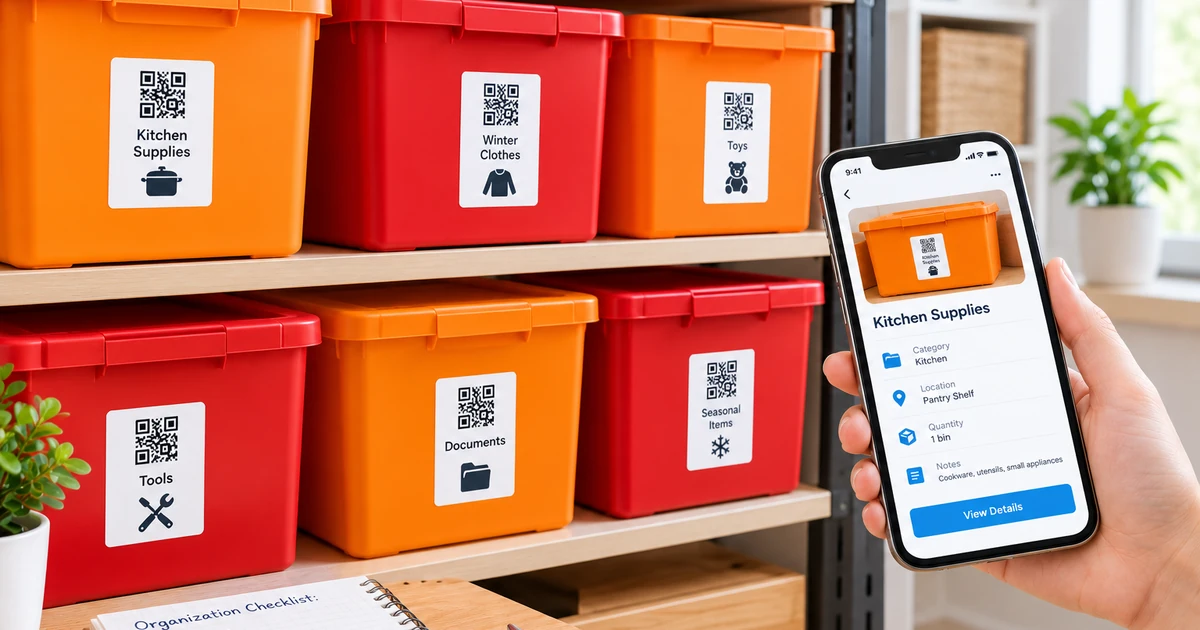
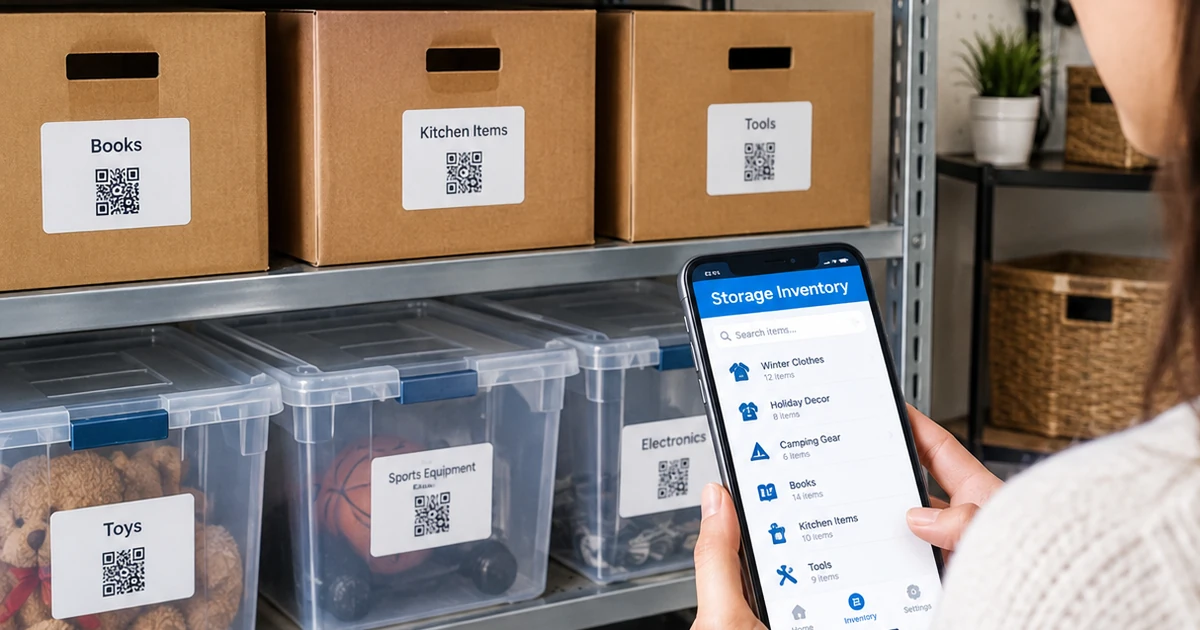
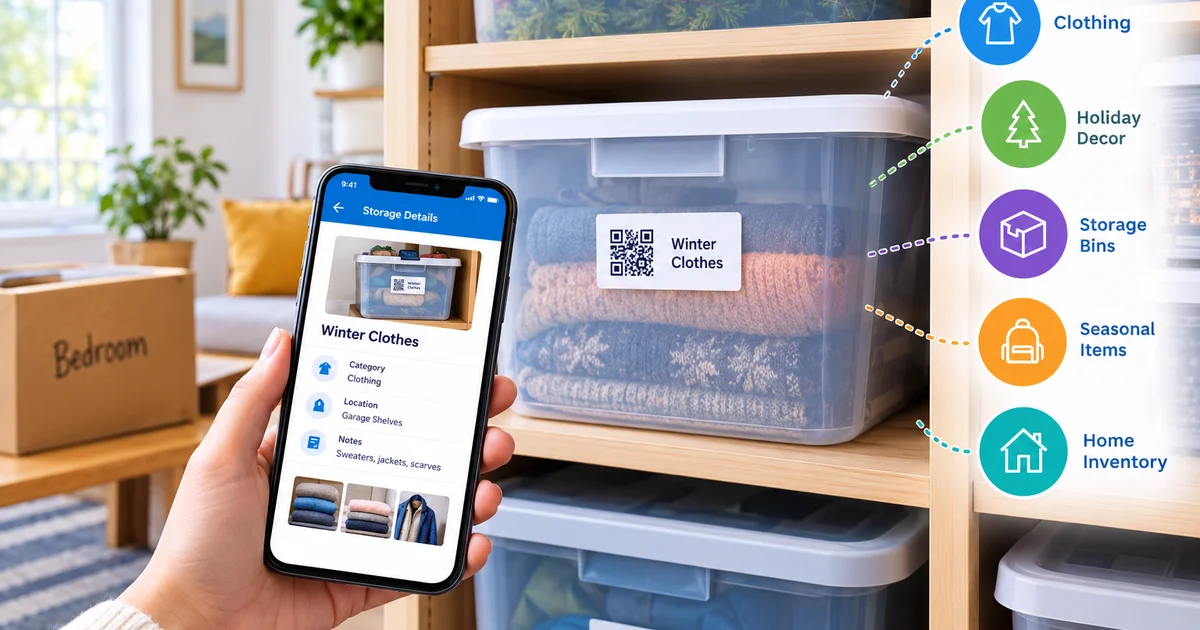
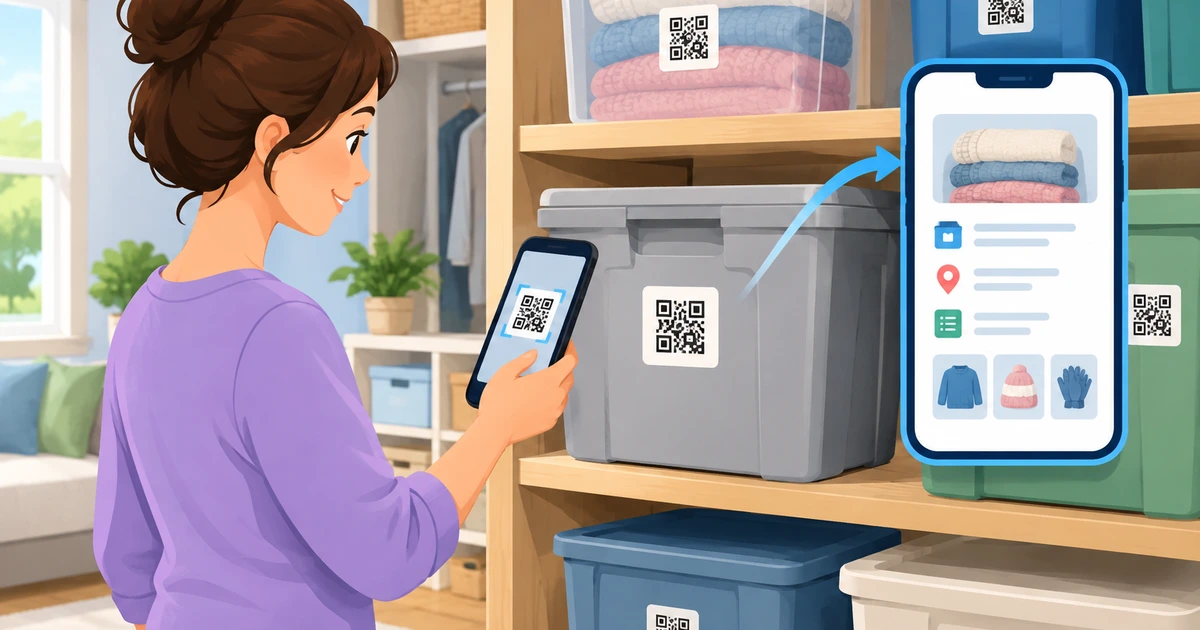
    Depending on the QR labeling system you use, scanning a code with a smartphone can open a digital inventory or record associated with a storage container. You can record information such as the box contents, storage location, category, and date of packing.

    For example, a container labeled “Winter Clothing” might include coats, scarves, gloves, and sweaters. Instead of opening the box to check what is inside, you can scan its QR code and review the saved information.

    This approach is especially useful when organizing multiple boxes before moving, storing belongings for several months, or keeping track of household items that are not used regularly.

    3. Create a Seasonal Storage System

    Seasonal belongings can take up considerable space when they are not in use. Holiday decorations, winter clothing, summer accessories, and outdoor equipment often remain packed away for months.

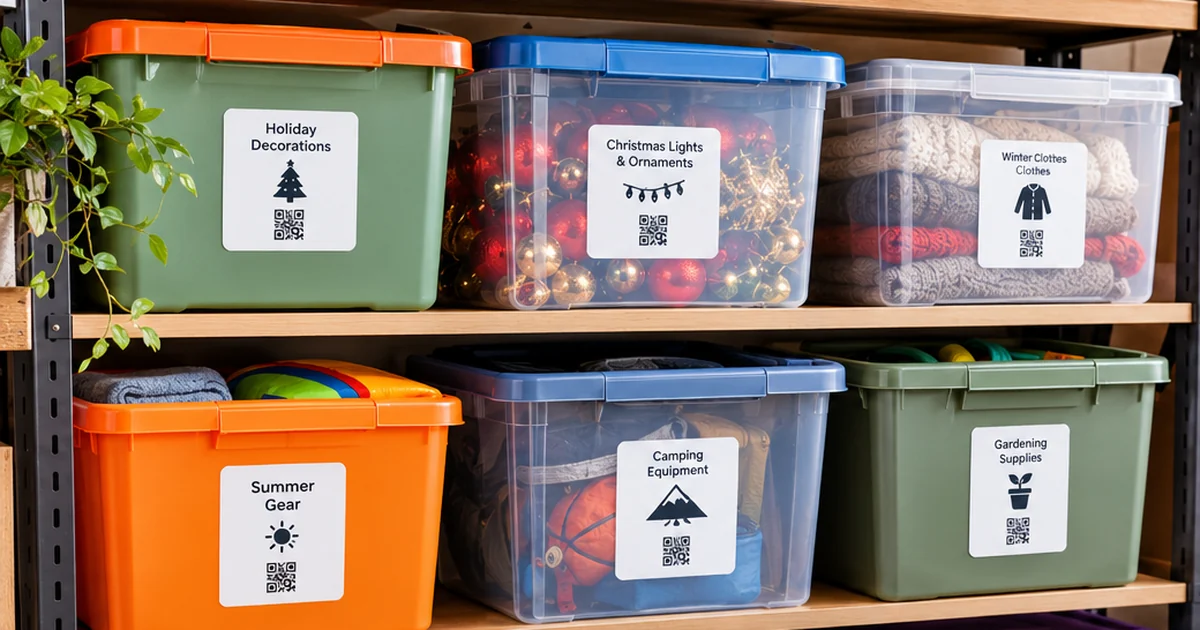
    A color-coded QR system makes seasonal storage easier to manage. Assign separate colors to different seasons or occasions. For instance, red can identify holiday decorations, blue can represent winter accessories, and green can mark summer outdoor equipment.

    Attach QR labels to the appropriate containers and record their contents in a digital inventory. When the season changes, you can identify the boxes you need without searching through every container.

    You can also record whether fragile decorations require careful handling or whether a box should remain in a particular storage area. Keeping these details accessible can make seasonal transitions more convenient.

    4. Improve Closet and Cabinet Organization

    Closets and cabinets can become cluttered when items are stored in bins, baskets, and containers without a consistent labeling system. Accessories, spare linens, cleaning supplies, and household essentials may become difficult to locate.

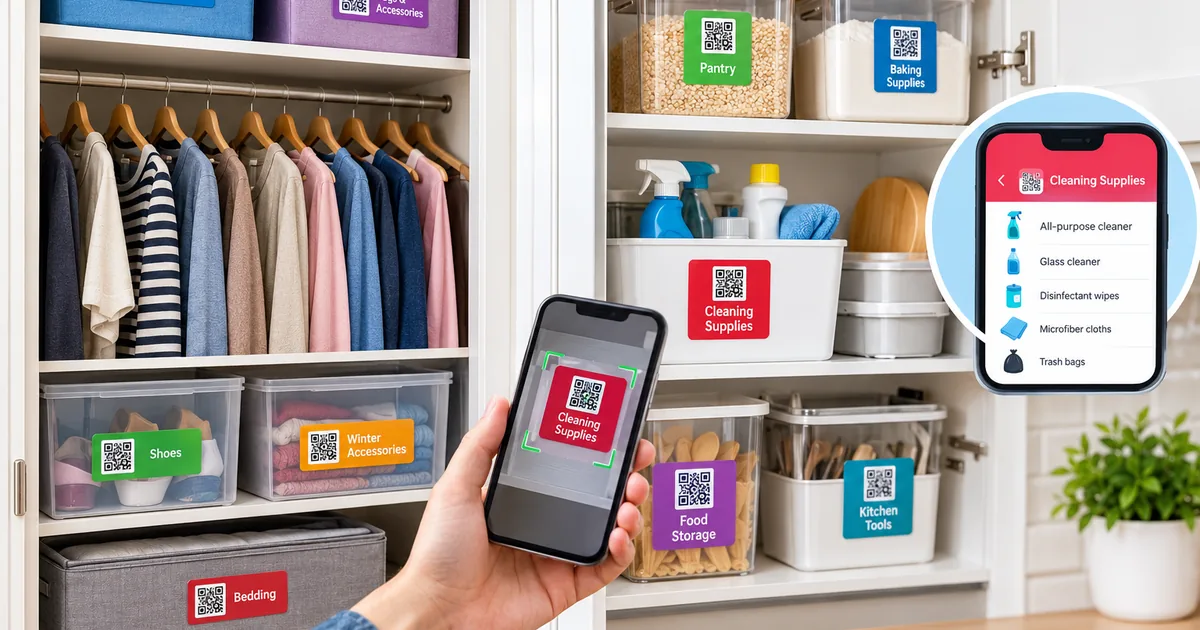
    Using QR labels for storage helps you establish a clear identification system for these spaces. Assign colors to different categories and place labels where they are easy to see.

    For example, use one color for bedding, another for personal accessories, and a third for cleaning products. The QR codes can provide additional details about the contents of each labeled container.

    For cabinets containing frequently used supplies, make sure labels are positioned where they can be scanned without removing every item. Consistent placement and readable labels make the system easier to maintain.

    5. Make Moving and Unpacking More Efficient

    Moving to a new home involves packing numerous boxes and remembering where everything belongs. Without a reliable labeling system, unpacking can become stressful and time-consuming.

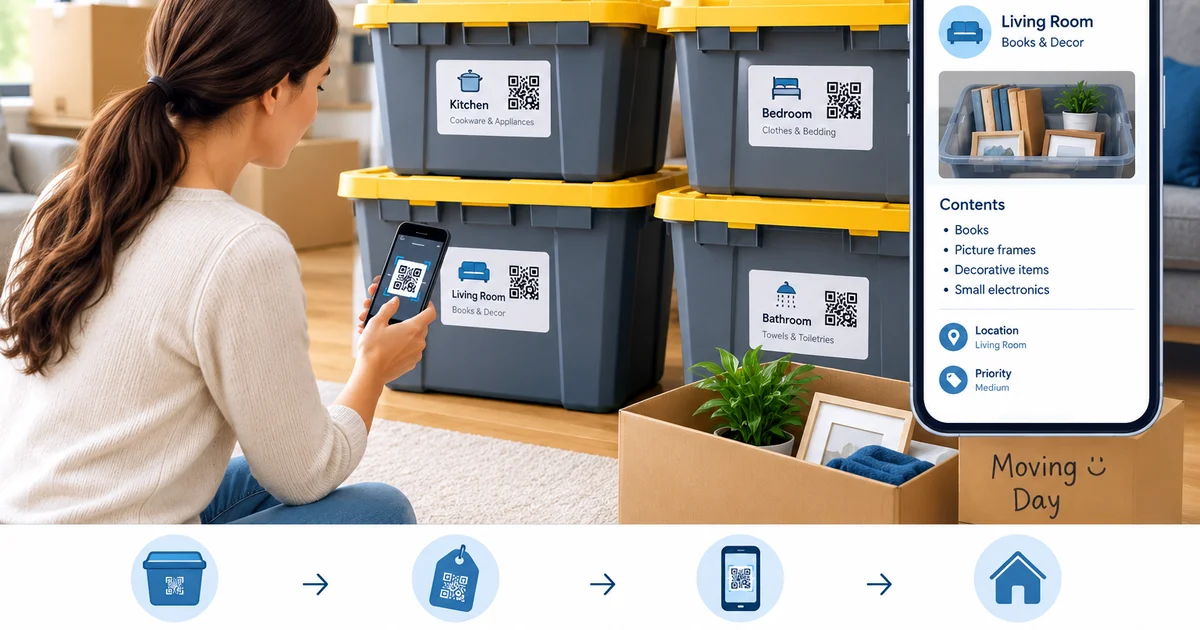
    QR color code labels offer a simple way to organize moving boxes before transportation. Assign a color to each destination room, such as blue for the bedroom, green for the kitchen, and orange for the living room.

    Next, use QR codes to record the specific contents of each box. A kitchen box, for example, might contain cooking utensils, plates, or small appliances. This information can help you identify the right container when you need a particular item.

    During unpacking, room-based colors also help movers place boxes in the correct locations. This reduces unnecessary handling and makes it easier to prioritize essential belongings.

    6. Keep Your Garage and Storage Unit Organized

    Garages and storage units often contain tools, sports equipment, seasonal supplies, spare furniture, and other belongings that are not needed every day. Because these items may remain stored for long periods, it is easy to forget where they are located.

    Create categories for your stored belongings and assign each category a consistent label color. Then record box contents and locations using a digital inventory system.

    For example, one container might hold gardening equipment while another contains camping supplies. Adding clear descriptions to the corresponding QR records helps you identify what you need before moving heavy containers.

    For larger storage spaces, consider recording shelf numbers or storage zones in your inventory. This additional detail can make locating belongings even more straightforward.

    7. Choose a Labeling System That Fits Your Needs

    A successful storage system should be simple to use and easy to maintain. Before labeling every container, decide which categories matter most and establish a consistent color scheme.

    Choose durable labels suitable for the surfaces and environments where they will be used. If containers are exposed to moisture, dust, or frequent handling, check that the label material is appropriate for those conditions.

    Test your QR codes after applying them and ensure that the linked information is accurate. Update digital records whenever you move items between boxes or change their storage locations. Avoid including sensitive personal information in publicly accessible QR records.

    Make Storage Smarter With QR Color Code Labels

    Organizing your belongings does not have to involve complicated spreadsheets or opening every box to find a single item. Combining color identification with digital inventory information creates a practical system for managing household storage.

    For people looking for a more convenient way to organize boxes, closets, seasonal belongings, and moving supplies, Elephant Trax offers QR labeling solutions designed to support smarter storage and inventory tracking. By combining qr code stickers, qr colored code labels, and qr labels for storage, you can build a more organized home where belongings are easier to identify, locate, and manage.
  • How to Organize Thanksgiving Decorations for Next Year

    How to Organize Thanksgiving Decorations for Next Year

    Thanksgiving is a wonderful time to decorate your home with autumn colors, pumpkins, wreaths, candles, table centerpieces, and festive accessories. However, once the celebration ends, storing these decorations can become a challenge. Items may get damaged, small accessories can go missing, and finding everything next year can take more time than expected.

    The best way to avoid these problems is to create a simple and organized storage system. With the right storage boxes, clear labeling, and a little planning, you can keep your Thanksgiving decorations safe and ready for the next holiday season.

    In this guide, you will learn practical ways to sort, pack, label, and store your Thanksgiving decorations so you can enjoy a more organized home throughout the year.

    1. Sort Your Thanksgiving Decorations Before Packing

    Before putting everything away, gather your Thanksgiving decorations in one place. This helps you see exactly what you own and decide which items you want to keep for next year.

    Separate your decorations into categories, such as table decorations, wall hangings, outdoor items, artificial pumpkins, candles, and seasonal kitchen accessories. Grouping similar items together makes packing easier and helps prevent smaller pieces from getting lost.

    Take this opportunity to check the condition of each item. Remove broken decorations that cannot be repaired and set aside items you no longer use. Decorations that are still in good condition but no longer match your style can be donated.

    Sorting your belongings before packing also prevents unnecessary clutter. Instead of storing everything automatically, keep only the items you expect to use again. A smaller, organized collection is much easier to manage when the next Thanksgiving season arrives.

    2. Choose the Right Storage Boxes

    Selecting suitable storage containers is an important step in protecting your decorations. Different items require different levels of protection, so avoid putting everything into one large box.

    Use sturdy storage boxes for heavier decorations, table linens, and artificial pumpkins. Smaller containers can hold napkin rings, decorative leaves, and other accessories. For fragile ornaments and delicate centerpieces, consider padded containers or protective wrapping.

    Transparent storage boxes can help you identify their contents quickly, but they are not always necessary. If you prefer opaque containers, clear labels or a digital inventory can make identification just as convenient.

    Keep similar decorations together whenever possible. For example, use one box for Thanksgiving table settings and another for indoor decorations. This organization method reduces the need to open several containers when you are preparing your home for the holiday.

    Choose boxes that fit your storage area, whether you use a closet, basement, garage, or dedicated storage room. Avoid overfilling containers because excessive pressure can damage delicate items.

    3. Protect Fragile and Delicate Decorations

    Thanksgiving decorations often include ceramic pumpkins, glass candle holders, decorative dishes, and delicate centerpieces. These items need extra protection during storage.

    Wrap fragile objects individually using suitable protective materials. Place heavier items at the bottom of each box and lighter decorations on top. Fill empty spaces with cushioning material to prevent items from moving during handling.

    Artificial leaves, fabric decorations, and table runners should be clean and completely dry before packing. Moisture trapped inside a container can lead to unpleasant odors or damage over time.

    Store candles in a cool location away from direct sunlight and excessive heat. If you have decorative lights, wrap them carefully to prevent tangled wires and damaged bulbs.

    Before closing each container, check that everything is properly protected. A few extra minutes of preparation can help preserve your decorations and reduce replacement costs next year.

    4. Label Every Storage Box Clearly

    One of the most common storage problems is forgetting what each box contains. A box labeled simply “Holiday Decorations” may not provide enough information when you are searching for a specific centerpiece or table runner.

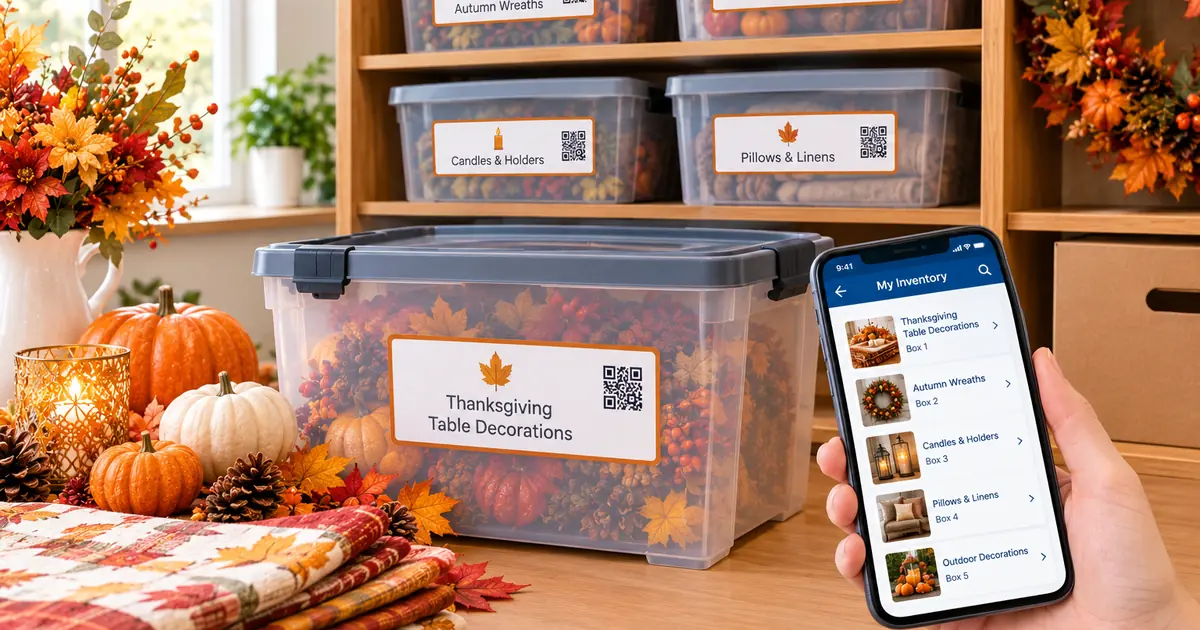
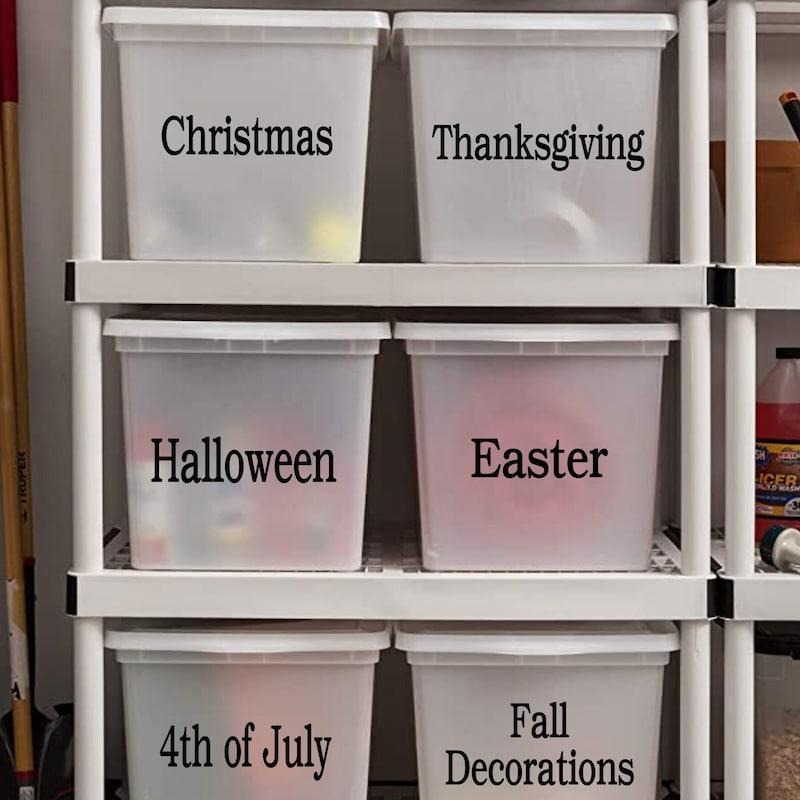
    Use specific labels such as “Thanksgiving Table Decorations,” “Autumn Wreaths,” or “Thanksgiving Outdoor Decor.” You can also add a short list of the most important items inside each box.

    Color-coded labels offer another simple solution. For example, orange labels can identify Thanksgiving decorations, red labels can mark Christmas items, and green labels can represent spring decorations. Choose a consistent color system that works for your household.

    Place labels where they are easy to see, especially if boxes are stacked on shelves. Labeling both the front and top of a container can make identification easier from different angles.

    Clear labeling saves time, reduces unnecessary unpacking, and makes it easier for other family members to find the right decorations without asking where everything is stored.

    5. Use Elephant Trax Storage Boxes and QR Labels for Smarter Organization

    Traditional labels are useful, but they may not provide enough space to list every item inside a container. If you store many seasonal decorations, a digital inventory system can make the process more convenient.

    A practical option for organizing your seasonal storage is to combine suitable storage boxes with QR-based labeling.

    Elephant Trax Storage Boxes and QR Labels

    Elephant Trax offers a smart approach to organizing stored belongings with QR labels and a digital inventory system. You can use a suitable storage box for your Thanksgiving decorations and associate its contents with a QR label, making it easier to identify what you have stored.

    Instead of opening multiple boxes to find a specific item, you can use the digital inventory to help locate decorations when you need them.

    For example, imagine placing your Thanksgiving centerpiece, artificial pumpkins, decorative candles, and autumn table accessories inside one storage box. With a QR labeling system, you can organize the box’s contents digitally, so you have a more useful record than a basic handwritten label alone.

    To explore the product, visit the Elephant Trax website or browse the Elephant Trax product page. You can explore its QR labels and storage organization features to determine whether they suit your seasonal storage needs.

    When setting up your system, make sure each QR label corresponds to the correct box and that the digital inventory is updated whenever you add or remove decorations. This makes it easier to keep your storage records accurate from one holiday season to the next.

    6. Create a Thanksgiving Decoration Inventory

    A simple inventory helps you remember what you own and where you have stored it. You do not need a complicated spreadsheet to get started. A notebook, spreadsheet, or digital inventory tool can work well.

    Record the box name, storage location, and main items inside it. For example, your inventory might show that Box 1 contains table linens and napkin rings, Box 2 contains artificial pumpkins and autumn garlands, and Box 3 contains outdoor decorations.

    If you use QR labels, keep the digital record connected to the correct container. Include enough detail to distinguish similar items without making the inventory unnecessarily complicated.

    You can also take photos of elaborate arrangements before packing them away. A picture of your previous Thanksgiving table setting can help you recreate the same look next year.

    Update your inventory whenever you purchase new decorations, donate old items, or move containers to another location. A current inventory is much more useful than a record that no longer matches your belongings.

    7. Store Seasonal Decorations in the Right Location

    Where you store your Thanksgiving decorations matters just as much as how you pack them. Select a clean, dry, and accessible location that protects your belongings from moisture, dust, and extreme temperatures.

    Shelves in a storage closet can be ideal for lightweight containers. Heavier boxes should be placed on lower shelves to make lifting safer. Keep fragile decorations away from areas where they could be crushed by other belongings.

    If you use a basement, attic, or garage, consider the environmental conditions before storing sensitive items there. Temperature changes and moisture can damage certain decorations, fabrics, and materials.

    Keep Thanksgiving decorations separate from everyday household belongings whenever possible. A dedicated shelf or clearly defined storage section helps you maintain order throughout the year.

    Arrange boxes so that frequently used seasonal items are easy to reach. Since Thanksgiving decorations are generally used once a year, you can store them together while keeping the containers accessible before the holiday season begins.

    8. Review Your Decorations Before Next Thanksgiving

    Your organization system should make unpacking just as easy as packing. Before Thanksgiving arrives, check your inventory and locate the boxes you need.

    Review the contents for damaged items, missing accessories, or decorations that need cleaning. If you use QR labels, scan them according to your product’s instructions and confirm that the associated inventory is still accurate.

    As you decorate your home, keep track of anything you decide not to use. You may want to donate it, store it separately, or include it in another seasonal collection.

    After the celebration, repeat the same sorting and packing process. Return items to their designated boxes and update your inventory before putting everything away.

    Maintaining the same system every year prevents clutter from building up and makes holiday preparation more predictable.

    Conclusion

    Organizing Thanksgiving decorations for next year does not have to be difficult. By sorting your items, choosing appropriate storage boxes, protecting fragile pieces, and using clear labels, you can keep your decorations in good condition and make them easier to find.

    Creating a simple inventory adds another level of organization, especially when you have several boxes of seasonal belongings. For a more convenient approach, consider Elephant Trax storage organization solutions and QR labels to help connect your stored items with a digital inventory.

    With a consistent storage routine, you can spend less time searching through boxes and more time enjoying Thanksgiving with family and friends.

  • How to Organize Closets and Cabinets With QR Labels

    How to Organize Closets and Cabinets With QR Labels

    Closets and cabinets can quickly become cluttered when clothes, accessories, kitchen supplies, cleaning products, and household essentials do not have designated places. Finding a particular item often means moving several things around or opening multiple storage containers. Traditional labels can help, but they may not provide enough information about everything stored inside a box or bin.

    QR code stickers offer a smarter way to organize closets and cabinets by connecting physical storage containers with digital item information. With a simple scan, you can identify stored belongings, maintain an inventory, and make everyday organization easier. By combining QR labels with a practical storage system, you can create a home where everything has its place.

    1. Start by Decluttering Your Closets and Cabinets

    Before applying QR labels, remove everything from the closet or cabinet you want to organize. Sort the contents into categories such as items you use regularly, seasonal belongings, accessories, cleaning supplies, and things you no longer need.

    Donate, recycle, or discard items that are no longer useful. Reducing unnecessary belongings creates more space and makes it easier to maintain an organized system.

    Once you have sorted everything, decide where each category belongs. Keep frequently used items within easy reach and place occasional-use belongings on higher shelves or in labeled storage containers.

    2. Group Similar Items Together

    Grouping similar belongings is one of the simplest ways to improve closet and cabinet organization. Instead of placing everything wherever space is available, create specific zones for different categories.

    For example, a bedroom closet can have separate areas for seasonal clothing, shoes, bags, accessories, and extra bedding. Kitchen cabinets can be organized around baking supplies, cooking utensils, food storage containers, and rarely used appliances.

    Use storage bins or boxes to keep smaller items together. Applying QR code stickers to these containers makes it easier to identify their contents without removing everything from the shelf.

    A consistent system also helps family members return items to the correct location after use.

    3. Use QR Code Stickers for Better Storage Management

    Traditional labels usually display a short description, such as “Winter Clothes” or “Kitchen Supplies.” While useful, they cannot always provide a detailed list of everything inside a container.

    QR code stickers can support a more detailed digital inventory. Depending on the compatible QR labeling system, you can scan a code to access information associated with a storage box, bin, or other organized space.

    For example, a container labeled “Winter Accessories” might hold scarves, gloves, hats, and thermal clothing. Instead of opening the box to check its contents, you can consult the associated digital record.

    This approach is especially helpful for high shelves, deep cabinets, storage closets, and containers used only a few times each year.

    When setting up your system, make sure each QR code is associated with the correct container and its contents. Keep the information updated whenever you add, remove, or relocate belongings.

    4. Organize Different Spaces With Colored QR Labels

    Color coding adds another layer of organization to closets and cabinets. Different colors can represent particular categories, rooms, or storage purposes, helping you recognize the right container more quickly.

    For example, you might use blue labels for bedroom storage, green labels for kitchen supplies, orange labels for seasonal decorations, and red labels for important household items.

    Choose a color system that makes sense for your home and apply it consistently. You can also use colors to distinguish frequently accessed containers from long-term storage.

    Colored QR code stickers combine visual identification with digital organization. The color helps you recognize a category at a glance, while the QR code can provide access to more detailed information.

    Avoid assigning too many colors at once. A simple, consistent color scheme is generally easier to remember and maintain.

    5. Make the Most of Vertical and Hidden Storage

    Closets and cabinets often have unused space on upper shelves, in deep corners, or beneath hanging clothes. Storage bins can help you make better use of these areas without allowing belongings to become scattered.

    Store seasonal clothes, spare linens, holiday accessories, and occasional-use household items in suitable containers. Place QR labels where they remain visible and easy to scan.

    For containers stored on high shelves, position the labels on the front or another accessible surface. This reduces the need to remove multiple boxes just to identify one item.

    You can also use QR labels on drawers, cabinet doors, and storage organizers when the system supports identifying those locations. This makes it easier to establish a consistent organization method throughout your home.

    6. Create a Digital Inventory and Keep It Updated

    A successful organization system should help you find items and remember where they belong. Create a digital record for each labeled container with a clear name and an accurate list of its contents.

    For example, a cabinet storage record might include spare batteries, charging cables, extension cords, and small electronic accessories. A linen closet record might list guest towels, extra pillowcases, and spare bedsheets.

    Use descriptive names instead of general labels such as “Miscellaneous.” Specific information makes searching more useful.

    Whenever you move items to another container, update the corresponding record. Review your inventory during seasonal cleaning or whenever you reorganize a closet or cabinet.

    This simple habit prevents your digital inventory from becoming outdated and keeps your storage system useful over time.

    7. Maintain Your QR Labeling System

    Once your closets and cabinets are organized, regular maintenance will help prevent clutter from returning. Return belongings to their designated spaces after use, remove unnecessary items periodically, and check that every label remains readable.

    Place QR code stickers on clean, dry, and suitable surfaces. Follow the label manufacturer’s instructions for application, especially on plastic bins or surfaces exposed to moisture. Test each code after applying it to ensure it scans correctly.

    If a container’s contents change, update the associated digital information. Replace damaged labels when necessary and keep your color categories consistent.

    These small steps make QR labeling a practical long-term organization method rather than a one-time decluttering project.

    Conclusion

    Organizing closets and cabinets becomes easier when you combine decluttering, categorized storage, color coding, and digital inventory management. QR code stickers help connect physical containers with useful item information, while colored labels make different storage categories easier to recognize.

    For homeowners looking to simplify storage management, Elephant Trax QR labels offer a smart option to explore for organizing boxes, bins, and other storage spaces. Its QR-based approach, combined with colored labeling options, can help you build a more searchable and visually organized storage system. By using Elephant Trax QR labels consistently, you can make everyday home organization more convenient and spend less time searching for the things you need.

  • Easy Storage Solutions for Seasonal Storage Items

    Easy Storage Solutions for Seasonal Storage Items

    Seasonal belongings can quickly take over closets, garages, attics, and storage rooms. Holiday decorations, winter clothing, camping equipment, gardening tools, sports gear, and other occasional-use belongings may only be needed for a few months each year, but they still need a reliable place to stay when they are not in use. Without an organized system, finding these belongings can become frustrating and time-consuming.

    The right storage approach can help keep seasonal storage items protected, accessible, and easy to identify. With suitable containers, clear categories, smart labeling, and a simple inventory system, you can make better use of your available space while reducing unnecessary clutter.

    Start by Sorting Seasonal Belongings

    Before purchasing containers or reorganizing a storage area, begin by sorting everything you already have. Group belongings according to their purpose and the season when they are normally used.

    For example, winter clothing can be separated from summer accessories, while holiday decorations can be grouped separately from camping equipment. This makes it easier to understand how much storage space each category requires.

    Sorting is also a good opportunity to remove belongings that are damaged, outdated, duplicated, or no longer useful. Storing fewer unnecessary items creates more room and makes the entire organization system easier to maintain.

    Choose the Right Storage Containers

    The type of container you use can have a major impact on long-term organization. Durable plastic bins are often useful for seasonal belongings because they can provide protection from dust and everyday handling.

    Choose containers that are appropriate for the items being stored. Clothing may benefit from breathable storage solutions, while decorations and household supplies may be better suited to sturdy lidded containers.

    Using containers of similar sizes can also make shelves and storage areas easier to arrange. Uniform containers can be stacked more efficiently and create a cleaner overall appearance.

    Create Seasonal Categories

    A simple category system can make stored belongings much easier to manage. Instead of placing unrelated items together, organize them according to season, activity, or purpose.

    Possible categories include:

    • Winter clothing
    • Summer accessories
    • Holiday decorations
    • Gardening supplies
    • Camping equipment
    • Sports equipment
    • Travel accessories
    • Seasonal home décor

    Clear categories help you know where belongings belong after each season. They also make it easier to return items to storage instead of creating random piles around the house.

    Label Every Container Clearly

    A storage container is only useful if you can identify its contents later. Labels should provide enough information to understand what is inside without opening the container.

    For example, instead of writing simply “Winter,” consider using a more specific description such as “Winter Clothes – Jackets, Scarves, and Gloves.” More detailed labels can save time when several containers contain similar belongings.

    QR labels can provide an additional layer of organization by connecting a physical container with digital information. This can be especially helpful when a storage box contains many different items.

    Use Smart QR Labels for Detailed Information

    Traditional labels are useful for basic identification, but they have limited space. Smart QR labels can connect storage containers to digital records that provide additional information.

    A digital record may include the contents of a box, the quantity of items, the storage location, or notes about when the belongings are normally used. This can make a large collection of seasonal belongings easier to manage.

    For example, a box containing holiday decorations could have a digital record listing lights, ornaments, ribbons, and other decorations inside. When the season arrives, you can check the information before opening multiple containers.

    Organize Items According to Frequency of Use

    Not every seasonal item needs to be stored in the same location. Items that will be needed soon should be placed somewhere easy to reach, while belongings that will remain unused for many months can go into less accessible areas.

    For example, winter coats may be stored near the front of a closet when colder weather approaches. Summer camping equipment might be moved to a more accessible area before vacation season.

    This simple approach reduces unnecessary lifting, moving, and searching.

    Make the Most of Vertical Space

    Storage areas often have unused vertical space. Shelving units can help transform walls and high areas into useful storage locations.

    Place heavier containers on lower shelves and lighter boxes higher up. Avoid creating unstable stacks that are difficult or unsafe to access.

    Clear aisles are also important. Even an organized storage room can become difficult to use if containers block pathways. Leave enough space to safely remove boxes when needed.

    Create a Seasonal Rotation System

    A seasonal rotation system can make yearly organization much easier. When one season ends, review the belongings you used and prepare them for storage.

    Clean items before putting them away, remove anything that needs repair, and return everything to its assigned container. At the same time, bring the next season’s belongings into more accessible areas.

    For example, as summer ends, camping equipment and summer accessories can be moved into longer-term storage while winter clothing and cold-weather equipment become easier to reach.

    Repeating the same process each year creates a predictable routine.

    Keep an Inventory of Stored Belongings

    An inventory can be particularly useful when you have many storage containers. Instead of relying entirely on memory, maintain a simple record of what is stored and where it is located.

    An inventory might include the container name, category, location, and important contents. Digital inventory records can be even more useful because they can be updated when belongings are added, removed, or moved.

    This approach can prevent duplicate purchases. Before buying another item, you can check your existing storage records to see whether you already own something similar.

    Protect Items During Long-Term Storage

    Organization should also include protection. Seasonal belongings may remain untouched for several months, so appropriate storage conditions are important.

    Keep containers away from areas where they may be exposed to unnecessary moisture, heat, or direct sunlight. Clothing should be stored clean and completely dry, while delicate decorations may need additional protective wrapping.

    Avoid overfilling containers because tightly packed belongings can become difficult to remove and may be more likely to become damaged.

    Keep Frequently Used Items Accessible

    Some seasonal belongings are used repeatedly throughout the season. These items should not be buried beneath containers that are rarely needed.

    Create an accessible section for frequently used belongings. This could be a specific shelf, cabinet, closet area, or part of a garage.

    As your needs change, the location can change as well. The goal is to make the storage system work around your lifestyle rather than forcing you to follow an inconvenient arrangement.

    Make the System Easy for Everyone to Follow

    A successful storage system should be simple enough for everyone in the household to understand. Use consistent labels, categories, and storage locations so that family members know where items belong.

    If everyone follows the same system, putting belongings away becomes easier. It also reduces the possibility of one person creating a separate storage method that makes items harder for others to find.

    Consider taking a few minutes after each season to review the system and identify areas that could be improved.

    Final Thoughts

    Managing seasonal belongings does not have to be complicated. The combination of appropriate containers, clear categories, effective labels, digital records, and a simple rotation routine can transform an overcrowded storage area into a practical system.

    Whether you are organizing holiday decorations, clothing, outdoor equipment, or household supplies, the key is to make every container easy to identify and every category easy to maintain. QR labels and digital inventory tools can further improve visibility when you have a large number of stored belongings.

    With a consistent storage strategy, seasonal items can stay protected and organized throughout the year while making it much easier to find what you need when the next season arrives.

  • The Benefits of Using a QR Code Sticker for Organization

    The Benefits of Using a QR Code Sticker for Organization

    Keeping belongings organized can become difficult when you have multiple storage boxes, bins, containers, documents, or household items to manage. Traditional labels can help identify what is inside a container, but they often provide only limited information. As storage needs grow, people may need a more flexible way to identify, manage, and locate their belongings.

    A qr code sticker can provide a practical solution by connecting a physical item or storage container with digital information. Instead of relying only on handwritten descriptions, users can scan a code with a smartphone and access the information associated with it. This simple approach can make organization more efficient for homes, offices, moving projects, and storage areas.

    Makes Storage Information Easier to Access

    One of the biggest advantages of QR-based organization is quick access to information. A traditional label may tell you that a box contains kitchen supplies, winter clothing, or important documents. However, a digital system can provide much more detail.

    For example, a storage container can be connected to a digital record containing item names, quantities, descriptions, locations, or other useful notes. When information is needed, scanning the code can make it easier to retrieve those details without opening the container.

    This can be particularly helpful when many boxes are stored together. Instead of checking several containers manually, users can identify the relevant information before deciding which box to open.

    Reduces Dependence on Handwritten Labels

    Handwritten labels are simple, but they can become difficult to manage over time. Writing may fade, labels can become damaged, and limited space may prevent users from adding enough information.

    QR-based labeling offers a more flexible alternative. A small code can be placed on a box, bin, shelf, cabinet, or another storage location while the detailed information remains digitally accessible.

    This approach can also make reorganizing easier. When the contents or location of an item changes, users can update the associated digital information instead of replacing several physical labels.

    Helps Organize Moving Boxes

    Moving often creates temporary storage problems. Boxes are packed quickly, and people may not remember exactly where specific belongings were placed.

    Using QR-based labels during a move can create a more organized system. Each box can be connected to information about its contents and intended room or location. This can make unpacking easier because users can identify what is inside without opening every box.

    For families moving to a new home, this system can also help prioritize boxes. Essential household items can be identified quickly while less important belongings can remain stored until needed.

    Improves Home Organization

    Home organization becomes more manageable when every storage area has a clear system. Bedrooms, garages, kitchens, attics, closets, and basements can quickly accumulate items that are not used every day.

    QR labels can add another layer of organization to these spaces. Instead of depending entirely on visible descriptions, users can create a digital reference for stored belongings.

    For example, seasonal decorations can be placed in several containers and organized digitally. Clothing, tools, children’s belongings, holiday items, and household supplies can also be categorized according to storage location.

    The result is a system that can help users understand what they own and where it is stored.

    Useful for Storage Bins and Containers

    Storage bins are excellent for keeping spaces tidy, but finding something inside a large collection of identical bins can still be challenging. A digital labeling system can make those containers easier to identify.

    A code placed on each bin can represent its contents, category, or location. Users can then access additional information through their phone instead of relying solely on the appearance of the container.

    This can be especially useful in garages, storage rooms, warehouses, and other areas where multiple containers are stacked or placed close together.

    Makes Inventory Management More Convenient

    Organization is not limited to homes. Small businesses, offices, classrooms, workshops, and community spaces may also need to keep track of equipment and supplies.

    Smart QR labels can support a more structured inventory process. Items can be connected to digital records that contain useful information such as descriptions, quantities, categories, or storage locations.

    When inventory changes, digital records can be updated without requiring a completely new physical labeling system. This flexibility can save time and make routine organization easier to maintain.

    Makes Information Easier to Update

    Storage systems often change. A box that originally contained winter clothing might later be used for decorations. A cabinet may be reorganized, or supplies may move from one room to another.

    Traditional labels may need to be rewritten whenever these changes occur. Digital information connected to a code can be updated more easily.

    This makes QR-based organization useful for people who frequently reorganize their homes, businesses, or storage spaces. The physical code can remain in place while the information connected to it changes.

    Helps Create a Consistent Organization System

    A good organization system works best when it is consistent. If some containers have detailed labels while others have vague descriptions, finding items can still be frustrating.

    Using one labeling method across storage areas can create a more predictable system. Users can assign codes to different boxes, bins, shelves, cabinets, or other locations and organize the associated information according to their needs.

    Over time, this can make it easier for everyone in a household or workplace to understand how stored items are categorized.

    Saves Time When Looking for Stored Items

    Searching for one small item among dozens of containers can take considerable time. People often open multiple boxes simply because they cannot remember where something was stored.

    A digital labeling approach can reduce unnecessary searching. When each container has associated information, users can check the digital record first and then go directly to the appropriate location.

    This can be especially valuable for seasonal storage. Items such as holiday decorations, camping equipment, winter clothing, and occasional-use appliances may remain stored for months before they are needed again.

    Supports a More Modern Approach to Organization

    Technology has changed the way people manage information, and organization systems are no exception. Digital tools can complement physical storage methods and make information easier to access.

    A qr code sticker combines a physical identifier with digital information, creating a bridge between the items people store and the information they need to manage them. When used properly, this approach can make storage more searchable, flexible, and convenient.

    Choosing the Right QR-Based Labeling Approach

    Before creating a QR organization system, it is useful to consider what information needs to be tracked. Some users may only need basic item descriptions, while others may want categories, locations, quantities, or detailed inventory information.

    The labeling material also matters. Storage areas may expose labels to dust, moisture, frequent handling, or changing temperatures. Choosing durable labels that suit the intended environment can help maintain the system over time.

    The most important factor is consistency. Once a system is created, using the same approach across boxes, bins, and storage areas can make the entire organization process easier.

    Elephant Trax for Smarter Storage Organization

    For people looking for a ready-made solution, Elephant Trax offers QR stickers designed to support smarter storage and organization. Its QR-based approach can help connect physical storage containers with digital information, making it easier to identify and manage stored belongings. The solution can be particularly useful for home organization, moving, storage bins, and inventory tracking, making Elephant Trax a practical option for anyone who wants to move beyond basic handwritten labels and create a more connected storage system.

    Final Thoughts

    Organization is not simply about putting things into boxes; it is also about being able to find and manage those belongings later. Traditional labels can provide basic identification, but digital labeling can offer a more flexible way to manage detailed information.

    From moving and home storage to inventory management and workplace organization, QR-based systems can reduce unnecessary searching and make stored information easier to access. With a consistent approach, users can create a storage system that is easier to maintain and more convenient to use.

    As homes and workplaces continue to adopt digital organization methods, QR labels and smart QR labels can provide a simple bridge between physical storage and digital information. For anyone looking to make their belongings easier to identify, track, and manage, this approach can be a valuable addition to an organized storage system.

  • QR Code for Inventory: A Smarter Way to Track and Organize Items

    QR Code for Inventory: A Smarter Way to Track and Organize Items

    Managing inventory can become difficult when boxes, bins, shelves, and stored items continue to increase. Whether you are organizing household belongings, moving to a new home, managing a storage unit, or keeping track of business supplies, traditional inventory lists can take time and become outdated.

    A QR code for inventory provides a simple way to connect physical items with digital information. By placing a QR code on a box, bin, shelf, or container, you can scan it with a smartphone and quickly access the information associated with that item.

    What Is a QR Code for Inventory?

    A QR code is a scannable code that can store or connect to digital information. For inventory management, each code can be assigned to a specific box, container, product, or storage location.

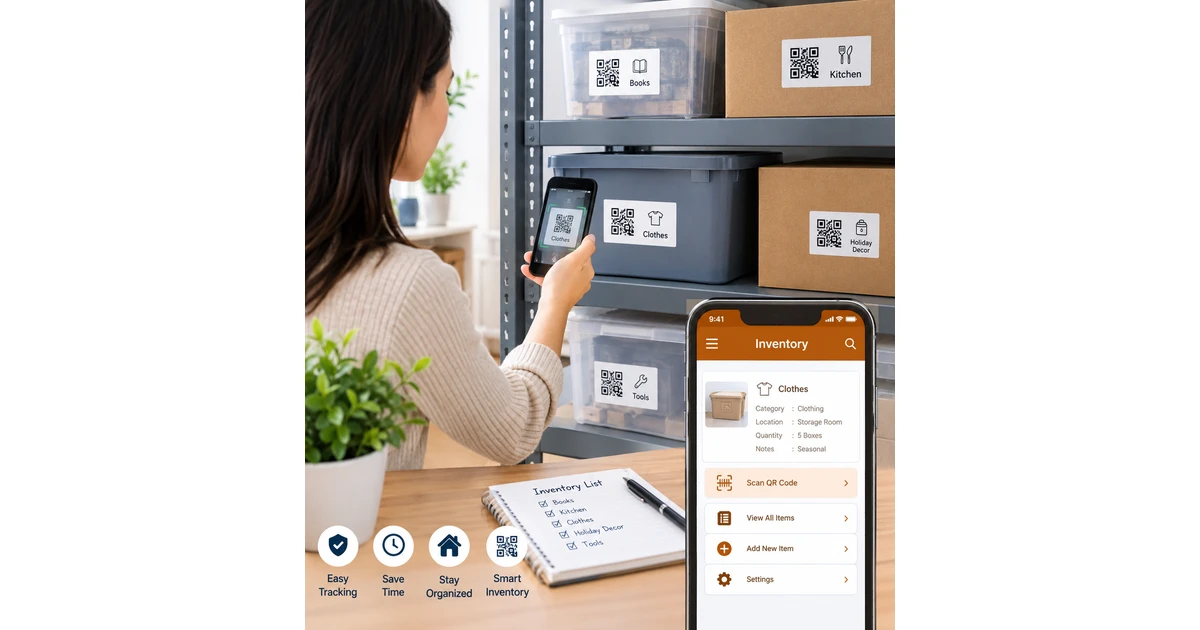
    Instead of opening several boxes to determine what is inside, you can scan the code and check the corresponding inventory information. Depending on the system you use, this information may include item names, quantities, categories, storage locations, notes, or other useful details.

    This approach creates a connection between your physical storage system and digital inventory records.

    Why Use QR Codes for Inventory?

    Keeping an inventory manually often means writing information in notebooks, spreadsheets, or labels. Although these methods can work, finding specific information may require extra time.

    QR codes can make the process more convenient. A code placed on a storage container can provide quick access to its inventory record without requiring you to search through a long list.

    For example, imagine that you have ten storage bins in your garage. Instead of opening each bin to find holiday decorations, you can scan the relevant QR code and check the stored information before moving anything.

    How QR Inventory Tracking Works

    Creating a QR-based inventory system can be straightforward. First, organize your items into suitable categories. You might separate belongings into clothing, kitchen supplies, documents, tools, seasonal decorations, or other groups.

    Next, create an inventory record for each container or group of items. Assign a unique QR code to the corresponding record and attach the code to the physical container.

    When you need to find something, simply scan the code using your smartphone. The digital record can tell you what is stored inside and where it belongs.

    This method can be especially useful when items are stored in locations that are difficult to access regularly.

    QR Codes for Storage Boxes

    Storage boxes are one of the easiest places to use QR inventory labels. A handwritten label might say “Winter Clothes,” but a QR code can connect that box to more detailed information.

    For example, an inventory record could include:

    • Item category
    • List of contents
    • Quantity
    • Storage location
    • Date stored
    • Notes about the items

    You can also update the digital information when the contents of a box change. This reduces the need to replace physical labels every time you reorganize your storage.

    Make Home Inventory Easier

    A home inventory can quickly become complicated when belongings are distributed across closets, attics, garages, basements, and storage units. A QR-based system can help bring these items into one organized structure.

    You can assign codes to individual containers and organize their information digitally. When you need a particular item, you can check the inventory rather than searching through every container.

    This can be particularly helpful during seasonal changes, home moves, renovations, or major decluttering projects.

    QR Codes for Moving and Packing

    Moving is another situation where inventory tracking becomes valuable. During packing, boxes often look similar, and important belongings can become difficult to locate after everything has been transported.

    A QR code can be placed on each moving box and connected to its contents. Instead of relying entirely on handwritten descriptions, you can scan the box and check its digital record.

    You can also organize boxes according to rooms, categories, or priority. This makes it easier to determine which boxes should be unpacked first.

    Reduce Time Spent Searching

    One of the biggest advantages of digital inventory management is reducing unnecessary searching.

    Without an organized system, finding one item may involve opening multiple boxes and moving containers around. A QR code inventory system gives you another way to identify stored items before physically accessing them.

    For households with many storage containers, even small improvements in searching can make organization much easier.

    Keep Inventory Information Updated

    An inventory system is most useful when the information remains accurate. Whenever you remove an item, add something new, or move a container, update the corresponding record.

    QR codes can make this process more flexible because the physical code can remain attached to the container while its digital information changes.

    For example, a storage bin originally used for children’s clothing could later be repurposed for holiday decorations. Instead of creating an entirely new physical labeling system, you can update the inventory record connected to the QR code.

    QR Codes for Storage Units

    Storage units can contain dozens or even hundreds of boxes. Remembering the contents and exact locations of all those containers can become challenging.

    A QR inventory system can help create a more structured overview. Each box can have its own identifier, while information about its contents and location can be maintained digitally.

    Before visiting the storage unit, you can check your inventory records to determine which container you need. This can make storage-unit visits more organized and reduce unnecessary box searching.

    Choosing the Right QR Inventory System

    The usefulness of QR inventory tracking depends on how the system is designed. Look for a solution that makes it easy to create labels, scan codes, organize information, and update records.

    Durable labels are also important for storage environments. If labels are exposed to moisture, dust, frequent handling, or changing temperatures, choosing suitable QR code stickers can help maintain readability.

    The system should also be simple enough that everyone who uses the storage area can understand how it works.

    Make Your Storage Smarter With QR Codes

    A QR code for inventory can turn ordinary boxes and containers into easily identifiable parts of a digital organization system. Instead of depending entirely on handwritten labels or memory, you can connect physical storage with accessible digital information.

    From home organization and moving boxes to storage units and business supplies, QR inventory tracking can help you identify items faster and maintain more organized records. With consistent labeling and regularly updated information, your storage system can become easier to manage as your inventory grows.

    If you want a more convenient way to organize stored belongings, consider using QR labels for storage containers and building a system that lets you scan, identify, and manage your inventory from your smartphone.

  • Find Stored Items Faster With a Smarter Storage Unit Inventory System

    Find Stored Items Faster With a Smarter Storage Unit Inventory System

    A storage unit can quickly become difficult to manage when dozens of boxes, bins, and containers are packed together. You may remember putting an important item into storage, but finding the right box later can take much longer than expected. Without a clear system, you may end up opening several containers just to locate one item.

    A well-organized storage box inventory can solve this problem. Instead of relying on memory or handwritten notes, you can create a structured record of what is stored, where it is located, and which box contains it. With the right inventory system, finding stored belongings becomes faster, easier, and more convenient.

    Why Storage Unit Inventory Matters

    When items are stored for months or even years, it is easy to forget where everything was placed. Seasonal decorations, clothing, documents, household supplies, tools, and personal belongings can become mixed together.

    A storage inventory gives every box and container a clear identity. Rather than searching through the entire unit, you can check your inventory first and determine exactly where to look.

    A good storage box inventory can include the box number, category, location, and a list of important items inside. This information creates a simple reference system that helps reduce unnecessary searching.

    Start by Organizing Your Storage Boxes

    Before creating an inventory, arrange your storage unit into logical sections. Group similar items together instead of placing boxes wherever there is available space.

    For example, you could create separate areas for:

    • Seasonal decorations
    • Clothing and shoes
    • Kitchen items
    • Books and documents
    • Tools and equipment
    • Sports gear
    • Holiday supplies
    • Children’s belongings

    Give each box a unique number or identifier. Box 001 could contain winter clothing, while Box 002 could contain holiday decorations. This simple numbering system makes your inventory much easier to maintain.

    Create a Detailed Storage Box Inventory

    Once your boxes are organized, record what each container contains. You do not necessarily need to list every small item. Focus on important or useful information that will help you locate belongings later.

    For example, instead of writing only “Clothes,” a better inventory entry could be:

    Box 001 – Winter Clothing
    Winter jackets, sweaters, scarves, gloves, and boots.

    The more useful information you add, the easier it becomes to identify the correct container without opening multiple boxes.

    You can keep your storage box inventory in a spreadsheet, inventory application, or another digital system. Digital records can be particularly useful because they can be searched and updated whenever items are added or removed.

    Use Clear Labels on Every Box

    An inventory works best when the physical storage area matches your digital records. Label every box clearly with its unique number and category.

    Traditional handwritten labels can work for simple storage, but they may become difficult to read, update, or understand when boxes contain multiple categories. A structured labeling system can provide more useful information while keeping the outside of the box easy to identify.

    For larger storage units, consider placing labels where they can be easily seen without moving other containers.

    Consider QR Codes for Faster Access

    Technology can make a storage inventory even more convenient. QR-based labels can connect a physical storage box with digital inventory information.

    Instead of searching through a spreadsheet manually, you can scan the QR code attached to a box and access its stored information from your phone, depending on the system being used.

    This approach can be especially useful when managing many storage boxes. A QR code can serve as a quick connection between the physical container and its digital record.

    For people who frequently move, reorganize, or access stored belongings, smart labels can make maintaining a storage box inventory more efficient.

    Organize Your Storage Unit by Location

    Box numbers are helpful, but location information can make your inventory even more useful. Divide the storage unit into sections such as A, B, C, and D.

    For example:

    A-01: Winter clothing
    A-02: Bedding
    B-01: Holiday decorations
    B-02: Kitchen equipment

    Now your inventory tells you both what you are looking for and where to find it.

    You can also arrange frequently accessed boxes near the entrance while placing rarely used belongings farther inside. This reduces the amount of moving required when you need something.

    Keep Your Inventory Updated

    Creating an inventory once is not enough. Storage units change over time as items are added, removed, donated, sold, or moved.

    Whenever you remove something from a box, update the inventory. If you move an entire box to another section, change its location in your records.

    An outdated inventory can be almost as frustrating as having no inventory at all. Make updating the system part of your normal storage routine.

    Make Searching Easier With Digital Inventory

    A digital inventory provides an important advantage: searchability. Instead of walking through your storage unit and checking every label, you can search for a specific item in your records.

    For example, if you need a camping tent, searching your inventory could show the relevant box and location. You can then go directly to that section instead of opening multiple containers.

    This is particularly valuable for large storage units containing dozens or hundreds of boxes.

    Build a Storage System That Grows With You

    Your storage needs may change over time. A good inventory system should be flexible enough to accommodate new boxes, changing locations, and different categories.

    Use consistent box numbers, clear categories, searchable records, and easy-to-update labels. If your belongings are spread across multiple storage areas, include a location field in your inventory so you can identify which unit or section contains each item.

    The goal is not simply to have a list of boxes. The goal is to create a system that helps you find stored items faster.

    Final Thoughts

    A smarter storage box inventory can turn a crowded storage unit into an organized and searchable space. By numbering boxes, using clear labels, recording important contents, organizing locations, and keeping digital records updated, you can significantly reduce the time spent searching for belongings.

    For an even more convenient approach, QR-based smart labels can connect physical boxes with digital inventory information. With the right combination of organization and technology, your storage unit can become easier to manage—and finding the item you need can take minutes instead of hours.

  • The Best Way to Organize Moving Bins With Smart Labels

    The Best Way to Organize Moving Bins With Smart Labels

    Moving can quickly become overwhelming when dozens of boxes and bins are packed with household belongings. The real challenge often begins after everything is packed. Finding one specific item can mean opening multiple containers, moving stacks around, and trying to remember where something was placed.

    Using smart labels on moving bins can create a more organized packing system. Instead of relying only on handwritten descriptions, smart labels can connect each container with useful information about its contents. This makes it easier to identify, track, and manage belongings throughout the moving process.

    Why Moving Bins Need a Better Labeling System

    Moving bins are useful because they can hold many different household items and are often easier to reuse than traditional cardboard boxes. However, when several bins look similar, identifying their contents can become difficult.

    A simple label such as “Kitchen” or “Bedroom” may not provide enough information. You might know which room a bin belongs to but still have no idea whether it contains plates, appliances, cookware, or small accessories.

    A detailed labeling system helps solve this problem. Smart labels allow you to associate a bin with additional information, making the contents easier to identify without opening it.

    Start by Creating Categories

    Before packing your moving bins, divide your belongings into clear categories. Think about what you use together and where those items will eventually belong.

    For example, kitchen items can be separated into cookware, dining supplies, appliances, and pantry accessories. Bedrooms can be divided into clothing, bedding, accessories, and personal items.

    Creating categories first makes it easier to decide what should go into each bin. It also makes the information connected to your smart labels more useful.

    Give Every Bin a Unique Identity

    Once you have your categories, give every moving bin its own identity. Avoid using the same description for several containers.

    Instead of labeling three bins simply as “Kitchen,” give each one a more specific description, such as cookware, serving items, or small appliances.

    Smart labels can make this system even more useful by giving each bin a unique digital identity. When you need something later, you can check the information associated with the specific label.

    Record What Goes Inside

    One of the most important steps is recording the contents of each bin while packing. You do not necessarily need to list every small item individually. Focus on the belongings that would be useful to identify later.

    For example, a bin could contain baking equipment, measuring tools, mixing bowls, and kitchen accessories. Recording this information gives you a clearer idea of what is stored inside without opening the container.

    This can be especially helpful for items that will not be unpacked immediately after the move.

    Use QR-Based Smart Labels

    QR-based smart labels provide a convenient way to connect physical moving bins with digital information. A QR code can be scanned with a smartphone, allowing you to access the information associated with that container.

    Instead of writing a long list on the outside of a bin, you can keep the physical label simple while storing more detailed information digitally.

    This approach can be useful when you have a large number of bins and want a consistent way to manage them.

    Keep Room Information Visible

    Although smart labels can provide detailed digital information, it is still useful to include basic visible information on the physical label.

    For example, you can identify the destination room or general category so that movers and family members know where the bin should go.

    A bin intended for the bedroom can be recognized quickly, while the QR code can provide additional information about its contents.

    Combining simple visible information with digital details creates a practical organization system.

    Organize Bins by Priority

    Not everything needs to be unpacked on the first day. Some belongings will be needed immediately, while others can remain stored for weeks or months.

    Consider separating moving bins into priority levels. Essential household items should be easier to access, while seasonal decorations, archived documents, and rarely used belongings can be placed toward the back of your storage area.

    Smart labels make it easier to identify these categories without repeatedly opening containers.

    Make Unpacking Easier

    The organization system you create while packing can save time during unpacking. When each bin has clear information, you can decide which containers should be opened first.

    For example, you may want to unpack kitchen essentials, bathroom supplies, bedding, and everyday clothing before seasonal decorations or rarely used items.

    Knowing what each bin contains helps you create a more efficient unpacking process instead of opening containers randomly.

    Keep Your Information Updated

    Moving is not the only time when smart labels can be useful. After settling into your new home, you may move items between bins or reorganize your storage areas.

    If your digital information is updated whenever the contents change, your labeling system can remain useful over time.

    This is particularly helpful for storage bins that will continue to be used for seasonal clothing, holiday decorations, children’s belongings, tools, or household supplies.

    Use the Same System for Long-Term Storage

    A good moving organization system does not have to end once the move is complete. The same smart labels can help manage long-term household storage.

    Instead of replacing your labels after unpacking, you can continue using the system for bins that go into closets, garages, attics, basements, or storage rooms.

    This turns a temporary moving strategy into a long-term home organization solution.

    Final Thoughts

    Organizing moving bins with smart labels can make packing, moving, unpacking, and long-term storage easier to manage. By creating categories, giving each bin a unique identity, recording its contents, and using QR-based labels, you can reduce the time spent searching through containers.

    The key is to create the system before the move becomes chaotic. When every bin has clear information and a consistent label, you can quickly understand what is stored inside and where it needs to go.

    Smart labeling transforms ordinary moving bins into a more organized storage system, helping you keep track of your belongings from the first day of packing through long-term home organization.

  • The Benefits of Smart Label Tracking for Home Organization

    The Benefits of Smart Label Tracking for Home Organization

    Keeping a home organized can be challenging, especially when storage spaces become crowded with boxes, bins, seasonal items, documents, and household supplies. Traditional labels can help identify what is inside a container, but they often provide only limited information. Smart label tracking offers a more organized approach by connecting physical storage with digital information, making it easier to identify and manage stored belongings.

    From moving and decluttering to long-term storage, smart labels can help households spend less time searching and more time staying organized.

    What Is Smart Label Tracking?

    Smart label tracking is a modern way to identify and manage stored items using labels connected to digital information. Instead of relying only on handwritten descriptions, a smart label can provide access to additional details about the contents of a box, bin, or storage area.

    For example, a storage container could hold winter clothing, holiday decorations, or important household supplies. Rather than opening several containers to find a specific item, homeowners can use the information connected to the label to determine which container is most likely to contain what they need.

    This approach creates a connection between physical organization and digital tracking, making home storage easier to manage.

    1. Find Stored Items More Quickly

    One of the biggest advantages of smart label tracking is that it can make finding stored belongings easier.

    When multiple boxes look similar, a simple handwritten label may not provide enough information. You might know that a box contains “kitchen items,” but still need to open it to find a specific appliance or accessory.

    Smart labels can provide more detailed information, helping you identify the right container before opening multiple boxes. This can save time and make everyday storage more convenient.

    2. Improve Home Inventory Management

    Maintaining a home inventory becomes increasingly useful as the number of stored belongings grows. Items placed in basements, garages, closets, attics, or storage units can easily become difficult to remember.

    With a digital approach to labeling, homeowners can keep better records of what they have and where those items are stored. This can be especially useful for seasonal decorations, tools, children’s belongings, important documents, and rarely used household products.

    Instead of relying entirely on memory, you can create a more structured system for managing your belongings.

    3. Reduce Unnecessary Searching

    Searching through storage boxes can turn a simple task into a frustrating experience. You may need to move several containers, open multiple boxes, and reorganize everything after finding the item you need.

    Smart label tracking can reduce this unnecessary searching by giving you useful information before you start opening containers.

    A well-organized labeling system allows you to identify storage locations more efficiently. This is particularly helpful when items are packed away for months or even years.

    4. Make Moving Easier

    Moving is one situation where organization becomes extremely important. During a move, household belongings are often packed into numerous boxes, making it difficult to remember where individual items were placed.

    Smart labels can help create a more organized moving system. Boxes can be identified according to their contents, rooms, or storage categories. Once everything reaches the new home, you can use the tracking information to locate items without opening every box.

    This can make both packing and unpacking more manageable.

    5. Simplify Seasonal Storage

    Many households store decorations, clothing, sports equipment, and other seasonal belongings for several months at a time. When the season arrives again, finding these items can become difficult.

    A smart labeling system can help you identify which containers hold seasonal belongings. Instead of searching through an entire storage area, you can quickly determine which boxes should be accessed.

    This creates a repeatable organization system that can be used throughout the year.

    6. Keep Storage Bins Organized

    Storage bins are useful for keeping homes tidy, but they can become confusing when several bins have similar appearances.

    A basic label might say “toys,” “clothes,” or “office.” While this provides some information, it may not tell you exactly what is inside.

    Smart labels can provide a more detailed way to organize storage bins. You can categorize belongings and maintain useful information about each container, helping you create a consistent storage system throughout your home.

    7. Make Decluttering More Effective

    Decluttering becomes easier when you know exactly what you own and where it is located. Without a clear system, people may accidentally purchase items they already have or forget about belongings stored away.

    A digital labeling system can provide better visibility into stored possessions. Before buying another item or searching through a crowded closet, you can check your existing inventory and determine whether you already own what you need.

    This can support more intentional home organization and reduce unnecessary clutter.

    8. Create a Scalable Organization System

    Another benefit of smart labeling is flexibility. A storage system can start with just a few boxes and expand as your needs change.

    You might begin by labeling storage bins in a garage and later use the same approach for closets, moving boxes, seasonal storage, or a dedicated storage unit.

    Having one consistent method for identifying belongings makes it easier to maintain organization as your household grows or your storage needs change.

    Smart Label Tracking and Modern Home Organization

    Modern home organization is no longer limited to shelves, containers, and handwritten notes. Digital tools can complement traditional organization methods by making information easier to access and manage.

    Smart label tracking provides a practical connection between physical storage and digital organization. Instead of treating each box as an isolated container, you can build a system that helps you understand what is stored and where it belongs.

    The goal is not simply to add technology to storage. The real benefit is creating a system that makes everyday tasks simpler.

    Final Thoughts

    A well-organized home should make it easier to find, manage, and store the things you actually use. Smart label tracking can help reduce the frustration associated with crowded storage areas, moving boxes, seasonal belongings, and household inventory.

    By using smart labels consistently, homeowners can create a clearer connection between their physical belongings and digital information. Whether you are organizing a few storage bins or managing an entire household inventory, this approach can save time, reduce unnecessary searching, and make long-term organization easier to maintain.

    As home organization continues to become more technology-driven, smart labeling offers a practical way to make storage more accessible, searchable, and manageable.

    https://elephant-trax.com

  • Smart Storage Solution With QR Labels: A Complete Guide

    Smart Storage Solution With QR Labels: A Complete Guide

    Keeping storage areas organized can become challenging when boxes, bins, and containers continue to accumulate. Whether you are managing seasonal decorations, clothing, documents, toys, or household supplies, traditional labels may not always provide enough information. A smart storage solution with QR labels can make it easier to identify, track, and manage stored belongings.

    QR labels connect physical storage containers with digital information. Instead of opening several boxes to find one item, you can scan a QR code and quickly access the information associated with that container.

    What Is a QR Label Storage System?

    A QR label storage system uses scannable QR codes to identify storage boxes, bins, containers, or specific storage locations. Each code can be connected to information about what is stored inside.

    For example, a storage bin containing winter clothing can have a QR label on the outside. When scanned, the associated information can show the contents of that bin without requiring you to open it.

    This creates a simple connection between physical organization and digital tracking.

    Why Traditional Storage Labels May Not Be Enough

    Traditional handwritten labels are useful for basic identification, but they often provide limited information. A label that says “Kitchen Items” or “Clothes” may not tell you exactly what is inside.

    Over time, labels can also become difficult to read, damaged, or outdated when items are moved between containers.

    QR labels provide another layer of organization. Instead of putting a long list on the outside of a box, the QR code can provide access to more detailed information while keeping the physical label simple.

    How QR Labels Make Storage Easier

    The main benefit of QR labeling is that it can reduce the time spent searching for stored items.

    Imagine that you have twenty storage bins in your garage and need to find a specific holiday decoration. Without detailed records, you might have to open several bins. With a QR-based system, you can check the information connected to each container and identify the relevant box more quickly.

    This can be especially helpful for storage areas that contain items you do not use every day.

    Create a Digital Record of Stored Items

    A smart storage system can help you maintain a digital record of your belongings. Each QR code can be associated with information such as the container’s contents, category, location, or other notes.

    For example, you could organize your storage information into categories such as:

    • Seasonal decorations
    • Winter clothing
    • Children’s items
    • Important documents
    • Kitchen equipment
    • Tools and household supplies

    The exact information you record can depend on your storage needs.

    Useful for Moving and Packing

    QR labels can also be useful when preparing for a move. Packing multiple boxes can make it difficult to remember where everything has been placed.

    By assigning QR labels to moving boxes, you can keep track of their contents while packing. Once the boxes arrive at your new home, you can scan the labels to identify what each box contains before deciding where to unpack it.

    This can make the transition from one home to another more organized.

    Organize Different Storage Areas

    A QR-based storage solution is not limited to one type of container. You can use suitable QR labels on storage bins, boxes, shelves, closets, drawers, and other areas.

    For example, a garage could use QR labels for tools and equipment, while a closet could use them for seasonal clothing. A family room might use them for games and toys.

    This flexibility allows the same organizational approach to be used throughout the home.

    Keep Your Storage Information Updated

    Organization works best when information stays accurate. If you move items from one container to another, an old label may no longer describe what is inside.

    With a digital approach, you can update the information associated with your storage system as your belongings change. This can help prevent the common problem of having labels that no longer match the contents of a box.

    Regular updates can keep your storage system useful over the long term.

    Make Home Organization More Efficient

    A smart storage solution with QR labels is particularly helpful for households with many stored belongings. Instead of relying completely on memory, you can create a structured system that makes storage information easier to access.

    The goal is not to make organization complicated. It is to make your existing storage system easier to understand and maintain.

    By combining physical labels with digital information, QR codes can turn ordinary storage containers into identifiable parts of a more organized system.

    Final Thoughts

    Managing household storage becomes much easier when you know what is inside each container and where it is located. QR labels offer a practical way to connect physical storage with digital information, helping you identify boxes, track belongings, and reduce unnecessary searching.

    Whether you are organizing a garage, closet, attic, storage room, or moving boxes, a QR-based system can provide a modern approach to home organization. With consistent labeling and updated information, you can create a storage system that is easier to manage today and maintain in the future.